

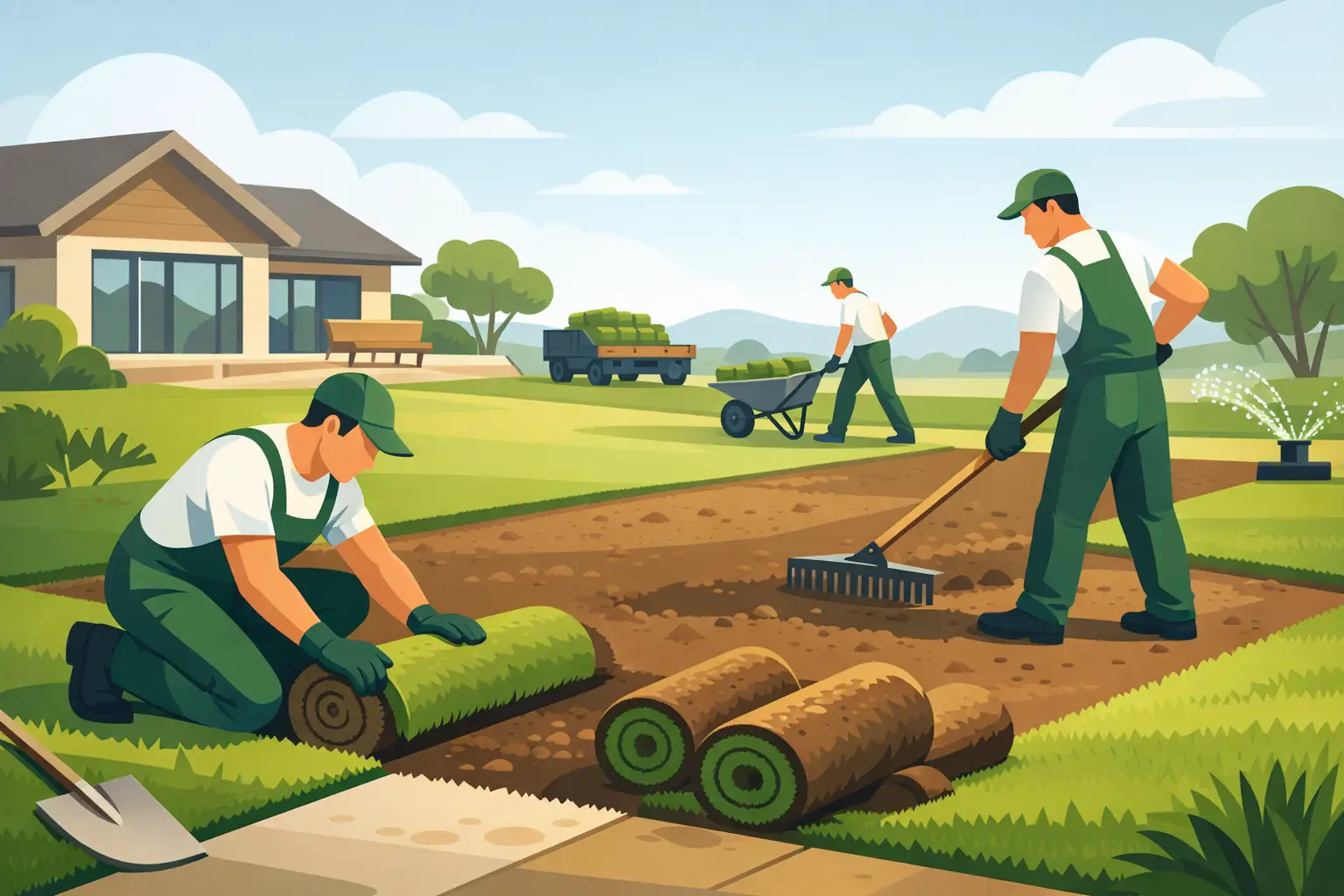
A patchy lawn usually does not fix itself. Bare spots spread, weeds move in, and every week of waiting makes the yard look more tired than the last. A professional sod installation service gives you a faster, cleaner way to turn worn-out ground into a healthy lawn you can actually enjoy.
For homeowners and property managers, that speed matters. You may be getting ready to sell, trying to improve curb appeal, or simply tired of looking at thin grass that never fills in. Sod offers an immediate visual upgrade, but the real value is not just the green surface you see on day one. It is the preparation underneath, the timing of the install, and the follow-up care that determines whether that new lawn thrives or struggles.
Why a sod installation service is often the better choice
Seeding has its place, but it also asks for patience and a bit of luck. Heavy rain can wash seed away. Birds can eat it. Hot stretches can dry it out before it ever gets established. If the site gets regular foot traffic, seed can also be harder to protect during the early growth stage.
Sod gives you a head start. Because it arrives as mature grass with an established root layer, your property looks finished right away. That makes it especially useful when the lawn needs to make a strong first impression fast. Commercial properties, occupied rental homes, and busy households often benefit from that quicker result.
Still, sod is not magic. If it is laid over compacted soil, poor grading, or existing weeds, the lawn may look great for a short time and then decline. That is why hiring a team that treats installation as more than just rolling out grass can save money and frustration in the long run.
What a professional sod installation service should include
A quality job starts before any sod arrives. The first step is evaluating the site. That means looking at sun exposure, drainage, slope, existing turf condition, and the overall health of the soil. If there are low spots that collect water or hard-packed areas where roots will struggle, those issues should be addressed first.
Old grass, weeds, and debris need to be removed so the new sod makes direct contact with the soil. In many cases, the ground should also be loosened and regraded. This creates a smoother finish and helps the roots establish more evenly. If the yard has irrigation, sprinkler coverage should be checked before installation, not after the sod is already down.
Once the area is ready, the sod should be installed quickly and carefully. Fresh sod is a live product, so timing matters. Pieces need to be placed tightly, staggered properly, and pressed into the soil to reduce air pockets. A rushed installation can leave visible seams, uneven settling, and dry edges.
After placement, watering instructions should be clear and realistic. This is one area where homeowners often get mixed messages. New sod needs consistent moisture, but overwatering can create its own problems. A reliable contractor should explain what to do during the first few weeks and how that schedule changes as the lawn takes root.
The prep work that makes or breaks the lawn
If there is one part of the process people tend to underestimate, it is preparation. Good prep is not flashy, but it is where a lasting lawn begins.
Compacted soil is a common issue in both residential and commercial properties. Construction traffic, repeated mowing patterns, and natural settling can leave the ground too dense for roots to move through easily. Loosening the top layer of soil gives sod a much better chance to establish strong contact and grow down instead of drying out near the surface.
Grading matters too. A lawn that looks smooth from the driveway can still have dips, bumps, and drainage problems that become obvious after the first hard rain. Standing water can damage new turf and create muddy, unusable spots. On the other hand, a slope that sheds water too quickly may leave the sod struggling to stay moist. The right grade helps balance appearance and performance.
Then there is soil quality. Some yards need amendments, some do not. It depends on what is already there. Clay-heavy soil can hold too much water, while sandy soil may dry out too fast. A thoughtful installation accounts for those conditions instead of treating every property the same.
When sod makes the most sense
Sod is a smart option when time is a factor. If you want a presentable lawn now rather than months from now, sod is the obvious choice. It also works well where erosion is a concern, since the established grass layer helps hold soil in place more quickly than seed.
It is also a practical choice for properties with uneven turf damage. Maybe a yard has been thinned by heat, pets, heavy use, or failed lawn treatments. Maybe a new home build left the lot rough and unfinished. In those cases, starting fresh with sod can be more efficient than trying to repair the lawn one patch at a time.
That said, not every lawn needs full replacement. Sometimes spot repair, aeration, overseeding, or improved maintenance can solve the problem for less. A trustworthy contractor should tell you when sod is the right fix and when it is more than you actually need.
How long it takes for new sod to root
Most new sod begins attaching to the soil within the first couple of weeks, but full establishment takes longer. Weather, grass type, soil condition, and watering all play a role. In warm conditions with proper care, rooting may happen relatively quickly. During cooler or overly wet periods, progress can slow down.
That early window is important. Foot traffic should stay light, mowing should wait until the grass is stable enough, and watering needs to be consistent. This is where many lawns either get off to a strong start or begin showing stress.
A professional team should give you practical expectations, not vague promises. New sod will not be maintenance-free just because it looks finished on day one. It still needs attention, especially in the first few weeks.
Choosing the right contractor for sod installation service
If you are comparing companies, look past the basic quote and ask how they handle preparation, grading, and post-install care. Two prices can look similar on paper while the actual scope of work is very different.
A dependable sod installation service should be able to explain its process in plain language. You should know what is being removed, whether new soil will be added, how the site will be leveled, and what support you will receive after installation. Clear communication is usually a good sign that the crew is organized and accountable.
Local experience also matters. Soil conditions, seasonal weather, and common turf problems in Kentucky are different from what works in other regions. A contractor familiar with Crestwood, Middletown, Prospect, and nearby communities is more likely to recommend the right timing and the right approach for your property.
That local knowledge becomes even more valuable when sod is part of a bigger outdoor plan. If irrigation adjustments, drainage improvements, mowing, seasonal cleanup, or landscape upgrades are also needed, working with one reliable company can make the whole process simpler. That is one reason many property owners turn to MowAction Lawn Care Services when they want both immediate lawn improvement and dependable long-term support.
What to do after the sod is installed
Once the sod is down, the goal shifts from installation to establishment. Watering is the biggest priority at first. The soil beneath the sod needs moisture so roots can knit into place, but the lawn should not stay constantly soggy. The right schedule depends on heat, rainfall, sun exposure, and how quickly the soil drains.
You will also want to stay off the lawn as much as possible during the early rooting phase. Kids, pets, and regular foot traffic can shift pieces before they anchor. Mowing should happen only when the sod is attached well enough to resist lifting, and the blade should be sharp to avoid stressing the new grass.
Fertilization and ongoing maintenance should follow a sensible plan, not guesswork. Once the sod is established, good mowing habits, proper watering, and seasonal services can keep it looking strong. A new lawn is a major improvement, but keeping it healthy is what protects that investment.
A good lawn changes how a property feels. It makes the home look cared for, gives outdoor spaces a cleaner finish, and helps visitors, tenants, or customers form a better first impression before they ever step inside. If your yard has reached the point where patching and hoping are no longer enough, the right sod installation service can give you a fresh start that actually lasts.