

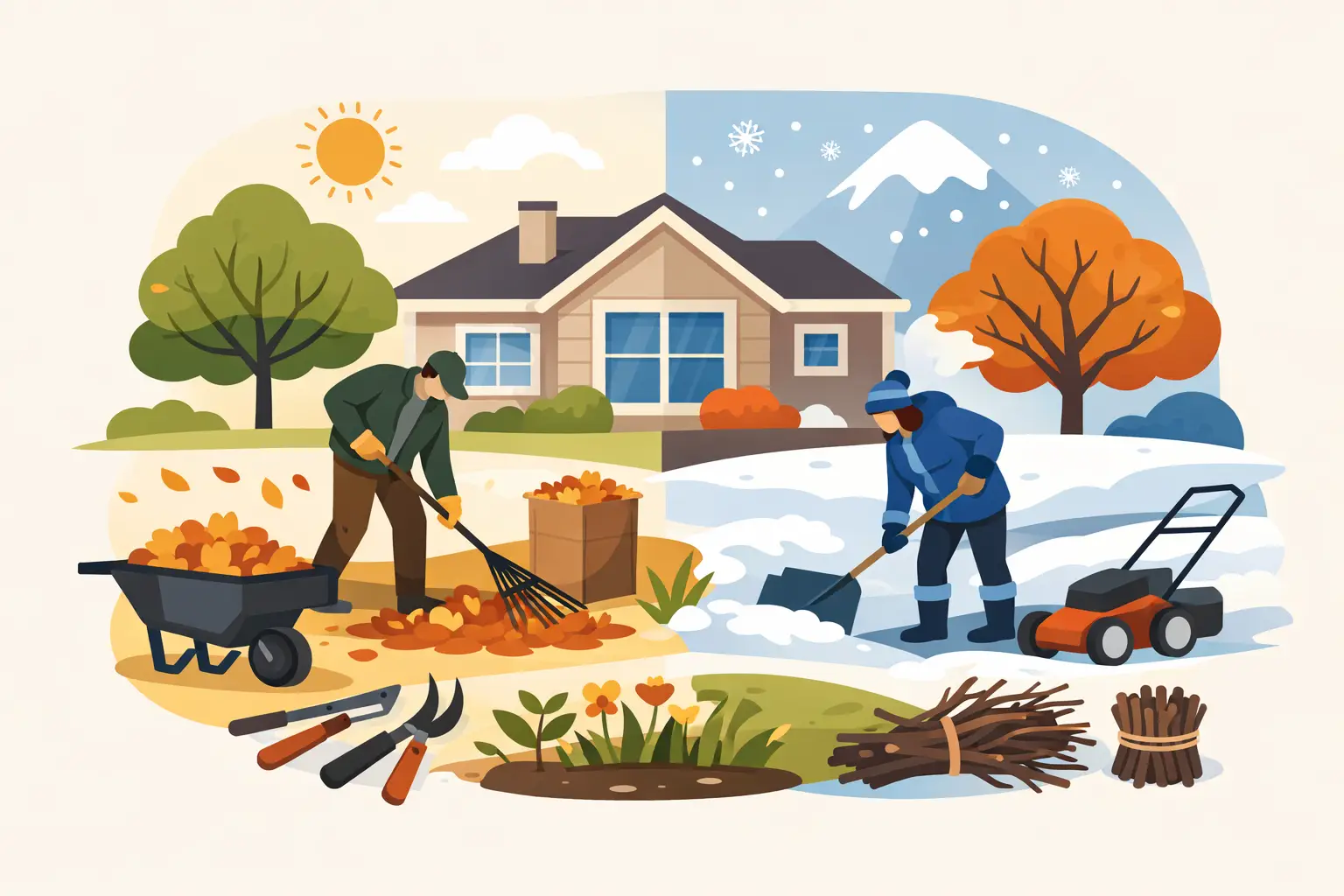
A yard can look neglected surprisingly fast. One windy week can cover the lawn in leaves, fill landscape beds with branches, and leave behind the kind of debris that makes an otherwise well-kept property feel unfinished. If you are asking, what does seasonal cleanup include, the short answer is the hands-on work that clears, refreshes, and prepares your outdoor space for the season ahead.
For homeowners, property managers, and business owners, a seasonal cleanup is more than a quick rake-and-go visit. Done properly, it brings order back to the landscape, helps protect turf and plant beds, and gives you a clean starting point for mowing, gardening, outdoor entertaining, or winter weather.
What Does Seasonal Cleanup Include?
The exact scope depends on your property, the time of year, and the condition of the landscape. A small yard with a few mature trees needs a different level of attention than a commercial property with extensive beds, parking areas, sidewalks, and high-visibility entrances.
Most seasonal cleanups include removing leaves and loose debris from lawns, landscape beds, shrubs, hardscape areas, and other outdoor spaces. Crews may also cut back spent plant material, remove fallen branches, edge overgrown beds, and haul away the collected debris. The goal is to leave the property neat, accessible, and ready for the next stage of care.
A dependable cleanup service should begin with a look at what your property actually needs. Some yards need a thorough leaf removal before winter. Others need spring bed preparation, pruning, or attention to areas where debris has collected against fences, patios, retaining walls, and foundations.
Leaf and debris removal
Leaf removal is often the biggest part of a fall cleanup in Kentucky. Leaves may look harmless at first, but a thick, wet layer can smother grass, hold moisture against the lawn, and create a home for pests and fungal issues. Leaves also blow into planting beds, clog drains, collect around outdoor equipment, and make sidewalks slick after rain.
A complete cleanup removes leaves from the lawn as well as the places they tend to hide: around shrubs, beneath trees, along fence lines, under decks, beside curbs, and in landscape beds. Twigs, small branches, seed pods, storm debris, and other loose material are collected at the same time.
For commercial properties, debris removal matters for appearance and safety. A clear entry, walkway, and parking area helps visitors see that the property is cared for before they ever walk through the door.
Landscape bed cleanup and edging
Landscape beds are often the first place a property starts to look tired. Old leaves, weeds, dead annuals, and broken stems can cover healthy plants and make fresh mulch or stone look dull. Seasonal cleanup typically includes clearing this material from beds so plants have room to breathe and the bed lines are visible again.
Depending on the season, crews may remove spent annual flowers, cut back dead perennials, pull visible weeds, and redefine bed edges. A crisp edge between turf and planting areas immediately makes a yard look more intentional. It also helps keep grass from creeping into beds and makes regular mowing easier.
Not every plant should be cut back at the same time. Some perennials benefit from fall trimming, while others are better left standing through winter to protect the crown or provide seasonal interest. That is why cleanup work should be tailored to the plants already in place rather than handled with a one-size-fits-all approach.
Pruning and removal of damaged growth
Seasonal cleanup may include light pruning of shrubs and removal of dead, damaged, or crossing branches. This is especially useful after storms, heavy winds, or winter weather have left broken limbs across the property.
There is a difference between cleanup pruning and major tree or shrub shaping. Removing dead or hazardous growth is part of making the landscape clean and safe. Extensive pruning, tree work, or reshaping mature shrubs may require a separate service, particularly when large limbs, specialty equipment, or careful timing are involved.
If you are unsure whether a shrub should be cut back, ask before the work begins. Spring-blooming plants, for example, can lose their flowers if they are pruned at the wrong time. Good property care protects the look of your landscape now without sacrificing next season's growth.
Lawn preparation and detail work
A cleanup often includes basic lawn detailing, especially when the property has been covered by leaves or has not received regular maintenance for several weeks. This may involve clearing debris from turf, trimming around obstacles, and tidying edges along sidewalks, driveways, and patios.
In spring, the focus is usually on exposing the lawn after winter and getting it ready for the first regular mowing visits. In fall, the priority shifts to keeping the lawn clear so grass can continue receiving light and air before dormant weather arrives.
A seasonal cleanup does not automatically include aeration, overseeding, fertilization, weed control, or sod repair. Those services can be valuable additions, but they serve different purposes. Aeration helps relieve compacted soil, overseeding fills thin areas, and weed control targets unwanted growth. A cleanup creates the clean canvas that makes those improvements more effective and easier to evaluate.
Hauling away collected material
One of the most useful parts of professional seasonal cleanup is debris hauling. Bagging or piling up leaves is only half the job if the material stays at the curb, fills your garage, or sits in a corner of the yard for weeks.
After material is collected, it should be removed from the property or handled according to the agreed service plan. This saves busy homeowners from spending a weekend loading bags and gives property managers a cleaner result without arranging separate disposal.
Before scheduling, it is worth confirming what hauling includes. Large fallen limbs, construction debris, old landscape timbers, and unusually heavy material may need separate pricing. Clear expectations help avoid surprises and make sure the crew arrives with the proper equipment.
Spring and Fall Cleanups Serve Different Purposes
Seasonal cleanup is not identical in every season. Spring cleanup is about waking up the property after winter. It commonly includes removing branches and leftover leaves, clearing beds, cutting back appropriate plant material, and preparing the lawn and landscape for active growth. It is also a smart time to identify bare turf, drainage concerns, damaged irrigation components, or areas that need mulch, sod, or planting updates.
Fall cleanup is more focused on leaf management and preparing the landscape for colder weather. In Louisville, Oldham County, and Shelby County, leaf drop can happen in waves rather than all at once. One visit may be enough for a lightly wooded property, while heavily treed lots often benefit from more than one cleanup to keep the lawn and beds from being buried again.
Winter cleanup needs are usually more selective. After storms, crews may remove downed limbs, clear debris from entrances and walkways, or address areas that need attention before snow and ice services begin. The best timing depends on weather, tree coverage, and how much of the property is visible to customers, neighbors, or prospective buyers.
What Seasonal Cleanup Usually Does Not Include
Knowing the boundaries of the service is just as useful as knowing what is included. Seasonal cleanup is designed to refresh and prepare the property. It is not always a replacement for ongoing lawn maintenance or larger landscape projects.
Services such as mowing all season, installing mulch, designing new beds, repairing sprinklers, building patios, removing large trees, or correcting major drainage problems are generally quoted separately. That does not mean they cannot be handled by the same provider. It simply means they require a different plan, materials, labor, or equipment.
For example, a cleanup may reveal that your beds need fresh mulch or that a thin section of lawn needs aeration and seed. That is helpful information. Addressing those needs after the cleanup can turn a basic reset into a real improvement for the property.
When Should You Schedule a Cleanup?
Schedule spring cleanup once the worst winter weather has passed and the ground is beginning to dry. Waiting too long can allow weeds to get ahead in beds and makes it harder to see what winter left behind. For fall, book before leaf buildup becomes heavy, especially if your lawn is already covered after rain.
Commercial sites may need service earlier because appearance and safe access are daily priorities. Homeowners preparing for a gathering, listing a home for sale, or starting a landscape project may also benefit from scheduling a cleanup ahead of the usual seasonal rush.
MowAction Lawn Care Services can assess the condition of your lawn, beds, and hardscape areas and recommend a cleanup plan that fits the property instead of selling work you do not need. A clean yard is easier to maintain, safer to use, and far more enjoyable to come home to.