

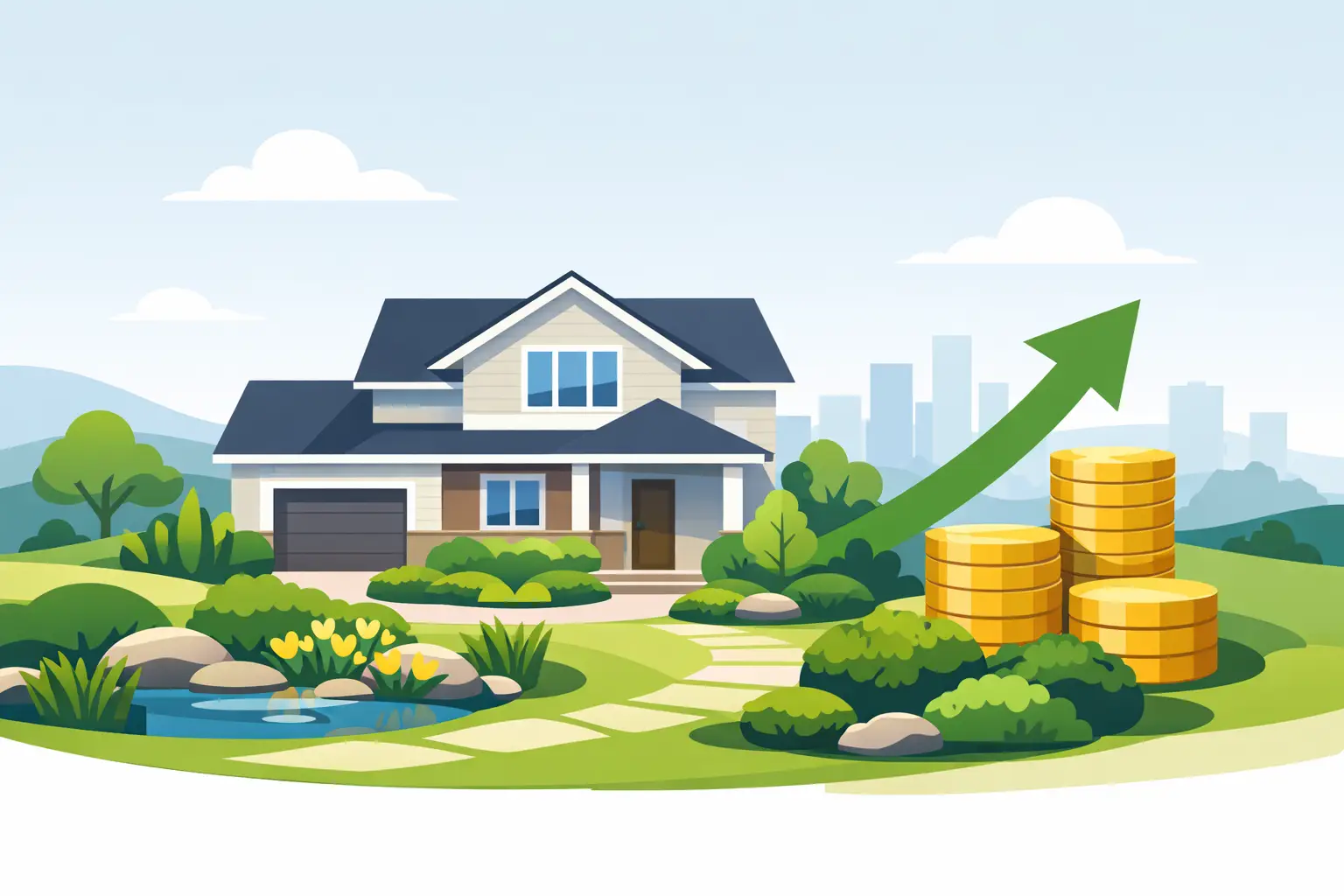
A patchy lawn, overgrown shrubs, and beds full of weeds send a message before anyone ever steps inside. That is why so many homeowners ask, can landscaping raise home value? In most cases, yes - but not every project pays off the same way, and the best results usually come from improvements that make a property look cared for, work better, and feel easier to maintain.
For sellers, landscaping affects first impressions. For homeowners planning to stay put, it can still matter because a more functional, attractive yard adds daily value long before a sale. The key is knowing where appearance, usability, and cost meet in a way that makes sense for your home.
Can landscaping raise home value in a real way?
It can, especially when the yard supports the style and condition of the house instead of fighting against it. Buyers notice clean lines, healthy grass, trimmed shrubs, defined beds, and outdoor spaces that look ready to use. They also notice drainage issues, bare spots, dead plantings, and neglected edges.
Landscaping tends to help value in two ways. First, it improves curb appeal, which can make buyers more interested from the start. Second, it makes the property feel maintained overall. A tidy exterior often suggests that the owner has paid attention to the rest of the home too.
That said, landscaping is not a magic multiplier. A high-end outdoor build in a neighborhood of modest homes may not return what it costs. On the other hand, a well-kept lawn, fresh mulch, seasonal cleanup, and thoughtful planting can make a home more competitive without going overboard.
What buyers notice first
Most buyers do not walk up to a property calculating the value of each shrub or paver. They react to the whole picture. If the front yard looks open, clean, healthy, and easy to maintain, the home usually feels more inviting right away.
The biggest visual wins are often the simplest ones. A green, evenly cut lawn makes the property look alive. Defined bed edges create order. Trimmed foundation plantings help the house look larger rather than hidden. Fresh mulch adds contrast and makes the entire landscape look intentional.
Lighting can also change the way a home is perceived. A dark front walkway or shadowy entry can feel neglected, while subtle landscape lighting adds safety and polish. The same goes for hardscaping. A level walkway, clean paver patio, or well-built retaining wall does more than look good - it shows the property is usable and cared for.
The landscaping projects with the strongest payoff
Routine lawn care is often underrated because it does not feel dramatic, but it is one of the most visible parts of the property. Regular mowing, fertilization, weed control, aeration, and overseeding can turn an average yard into one that looks healthy and established. Buyers may not ask about aeration, but they will notice thick grass and fewer weeds.
Planting also matters, especially when it frames the house instead of overwhelming it. Balanced foundation plantings, seasonal color, and trees placed with room to grow can soften the property and make it feel complete. In Kentucky, where yards need to handle heat, rain, and changing seasons, plant choices should be attractive but practical. A landscape that looks great for one month and struggles the rest of the year rarely helps as much as one built for long-term performance.
Hardscaping can add meaningful value when it improves function. A patio creates usable outdoor living space. Paver walkways improve access and appearance. Retaining walls can solve slope issues while making the yard more usable. These projects tend to stand out because they do more than decorate - they fix problems and expand how the property can be enjoyed.
Irrigation support can help too, even if buyers do not see it immediately. A dependable sprinkler system or repaired irrigation setup supports healthy turf and planting beds, which protects the visible parts of the landscape. A great-looking yard is easier to maintain when watering is consistent.
Where homeowners overspend
The answer to can landscaping raise home value is not always yes in proportion to what you spend. Some projects improve enjoyment more than resale, and that can still be worthwhile. But if your goal is return, restraint matters.
Highly customized features can be tricky. An elaborate water feature, rare plant collection, or very stylized garden design may appeal to one buyer and turn off another. The same goes for landscapes that require heavy upkeep. Busy buyers often prefer something polished but manageable.
Oversized trees planted too close to the house can also create future concerns. What looks lush today may signal root, drainage, or maintenance problems later. And while luxury outdoor kitchens and large entertainment areas can be great additions, they make the most sense when they fit the home, the neighborhood, and the likely buyer.
Maintenance has value too
One of the biggest mistakes homeowners make is treating landscaping as a one-time upgrade. Value is not just created by installation. It is protected by maintenance.
A professionally installed landscape can lose ground quickly if beds are not weeded, shrubs are not trimmed, leaves pile up, or turf starts thinning out. Regular lawn maintenance, seasonal cleanups, and pruning keep the property from slipping backward. This is especially important before listing a home, when small signs of neglect can make buyers wonder what else has been deferred.
For busy homeowners and property managers, working with one dependable provider can make that easier. When mowing, cleanup, irrigation support, plant care, and larger improvements are handled together, the property tends to stay more consistent. That consistency shows.
Landscaping for living there now and selling later
Not every home project has to be chosen only for resale. Good landscaping is one of the few upgrades that can improve your daily life while also helping market value. A cleaner yard reduces stress. Better drainage can prevent muddy areas and standing water. A patio gives you usable outdoor space. Lighting makes evenings safer and more comfortable.
That is why the best landscaping investments usually serve both present and future needs. If a project makes the property easier to enjoy, easier to maintain, and more attractive from the street, it is often a smart move.
For homeowners in places like Crestwood, Prospect, and surrounding communities, weather and terrain should be part of the plan. A yard that handles seasonal growth, drainage challenges, leaf buildup, and summer stress will hold up better than one designed only for a photo. Real value comes from landscapes that keep performing.
How to decide what makes sense for your property
Start with the obvious weak spots. If the lawn is thin, the beds are overgrown, the edges are messy, or the entry lacks definition, those are usually the first areas to address. You do not need a complete redesign to make a strong improvement.
Next, think about function. Could the yard use a walkway, a better patio area, grading help, or irrigation repair? Problems that affect how the property works can limit value just as much as cosmetic issues.
Finally, consider the level of finish that fits your home. A clean, well-maintained landscape with a few thoughtful upgrades often delivers more practical value than an expensive design that feels out of place. The goal is not to have the flashiest yard on the block. It is to have a property that looks cared for, feels usable, and makes a strong impression from the moment someone arrives.
If you are unsure where to start, a local team with experience in maintenance and landscape improvements can help you prioritize the work that will show best and hold up over time. MowAction Lawn Care Services sees this every season - the homes that stand out are usually not the ones with the most expensive yards, but the ones where the details are handled well.
A well-kept landscape tells people the property matters, and that message carries farther than most homeowners realize.