

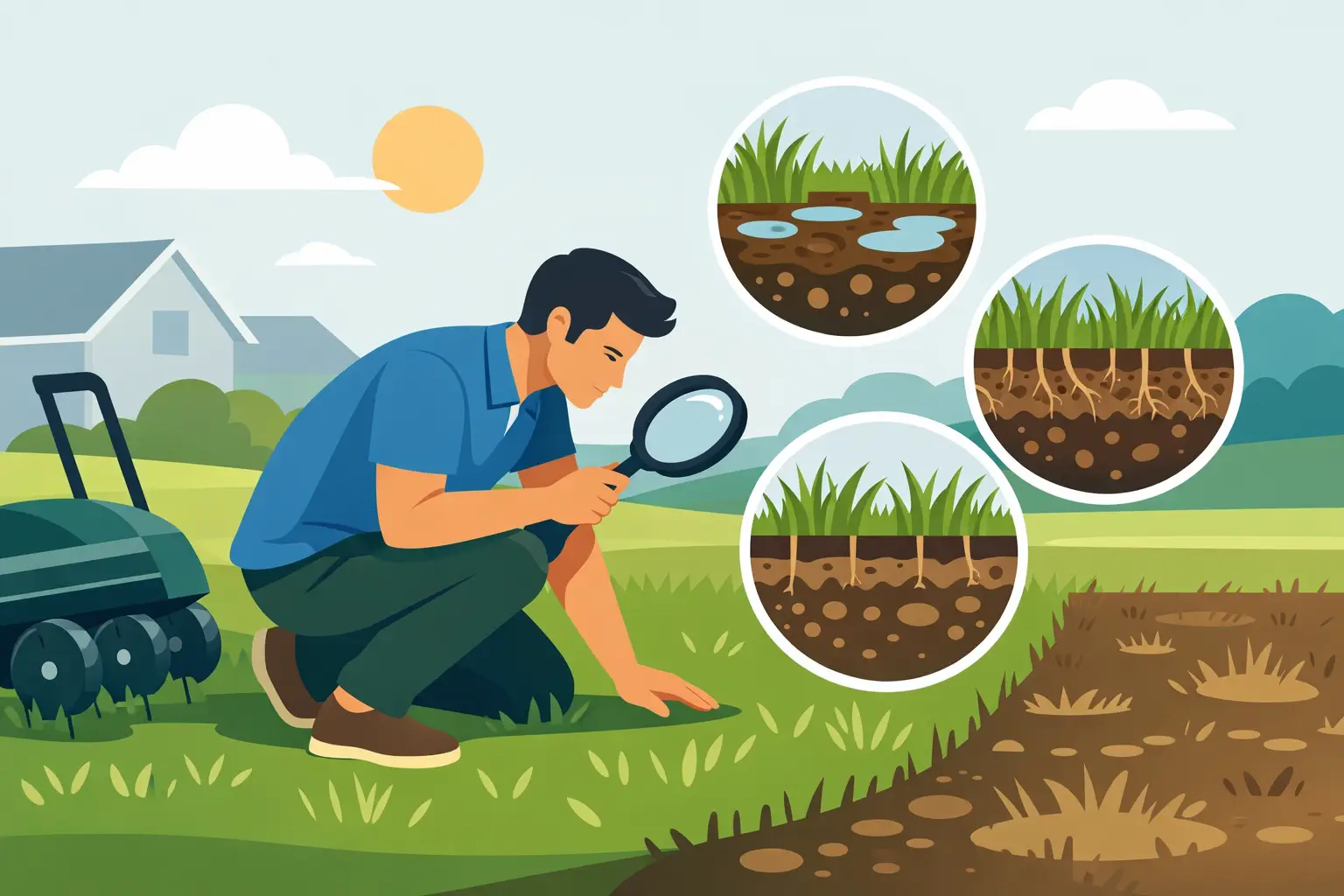
If your lawn looks tired no matter how much you water, mow, or fertilize, the real problem may be under your feet. Many homeowners ask, do I need lawn aeration, only after they notice thinning grass, puddles after rain, or hard soil that feels packed tight. Those are often the early signs that your lawn is struggling to breathe.
Aeration is one of those services that can make a noticeable difference, but it is not something every yard needs on the same schedule. The right answer depends on your soil, the amount of foot traffic your lawn gets, and how your grass has been performing through the seasons. When it is done at the right time, aeration can help your lawn recover, fill in, and use water and nutrients more effectively.
Do I need lawn aeration if my grass still looks green?
Maybe. A lawn can stay green and still be dealing with compacted soil below the surface. Grass color only tells part of the story. If roots cannot access enough oxygen, water, and nutrients, the lawn may continue to survive without really thriving.
A compacted lawn often shows up in subtle ways first. You might notice bare spots that never seem to improve, areas that feel rock hard when you walk across them, or water sitting on the surface longer than it should. If your lawn bounces back slowly after summer stress or heavy use, aeration may be worth considering even if the yard is not completely brown or failing.
In Kentucky lawns, this matters because we often see a mix of clay-heavy soil, summer heat, and regular rainfall. That combination can create dense ground that limits root growth over time. A lawn may look decent from the street while quietly struggling underneath.
What lawn aeration actually does
Aeration removes small plugs of soil from the lawn. Those openings allow air, water, and fertilizer to move deeper into the root zone instead of sitting near the surface. They also create space for roots to spread and strengthen.
This is different from simply poking holes with a garden fork or spiked shoes. Core aeration pulls out actual plugs, which relieves compaction much more effectively. For lawns with real soil pressure problems, that difference matters.
Think of it this way: when soil gets packed too tightly, your lawn has to work harder for the basics. Aeration gives the root system room to recover. It is not a cosmetic fix. It is a health and performance service.
Signs your lawn may need aeration
The most common sign is compacted soil. If you push a screwdriver or similar tool into the ground and it is difficult to get in, the soil may be too dense. Hard ground usually means roots are fighting for space.
Poor drainage is another clue. If rainwater pools in low spots or irrigation seems to run off instead of soaking in, the soil may be sealed up. That can leave roots dry below the surface even when the lawn looks wet on top.
Thin grass, patchy growth, and worn paths can also point to aeration needs. This is especially common in yards with kids, pets, regular entertaining, or repeated mowing patterns. Frequent foot traffic presses soil particles together and reduces the open spaces roots depend on.
Thatch can be part of the picture too. A thin layer of thatch is normal, but when it gets too thick, it blocks water and nutrients. Aeration can help break down mild thatch problems by improving soil activity, though severe buildup may need a separate approach.
When the answer is probably yes
If your lawn sees heavy use, aeration is often a smart investment. Front yards near sidewalks, backyard play areas, and common walkways tend to compact faster than the rest of the property.
If your home was built in the last several years, that is another reason to take a close look. Construction equipment, grading work, and disturbed soil often leave lawns compacted before the grass even has a fair chance to establish deep roots.
Aeration also tends to help lawns that have become dependent on frequent watering or repeat fertilizer applications without showing much improvement. When the soil is too tight, you can keep adding inputs without solving the actual issue.
For many cool-season lawns in this region, annual aeration or aeration every other year makes sense. That said, not every lawn needs it on a strict calendar. A healthy, lightly used lawn with good drainage may not need the same frequency as a stressed lawn on dense clay soil.
When you might not need lawn aeration
A newer lawn with loose, healthy soil and strong growth may not need aeration yet. If water is soaking in well, roots are established, and the grass is filling in evenly, there may be no reason to disturb it just for the sake of routine.
Very dry or heat-stressed lawns are also not ideal candidates in the wrong season. Aeration is helpful, but timing matters. If the grass is already under pressure from extreme heat or drought, the lawn may need recovery conditions before mechanical work makes sense.
There is also a difference between a lawn problem and a mowing problem. If the grass is scalped too short, cut with dull blades, or watered inconsistently, aeration will not fix everything. It helps with soil access and root health, but it works best as part of a bigger lawn care plan.
The best time to aerate
For many lawns in our area, fall is the sweet spot. Cooler temperatures, more reliable moisture, and active root growth give grass a good chance to recover and take advantage of the new openings in the soil.
Spring can work too, especially if the lawn is compacted and struggling early in the season. The trade-off is that spring also brings weed pressure, so timing and follow-up care matter more.
Summer is usually the least favorable time for core aeration unless there is a specific reason and the lawn can be supported properly afterward. Heat adds stress, and you do not want to create extra strain during the toughest stretch of the year.
What to expect after aeration
Aeration is not an overnight transformation, but many property owners notice improvement in how the lawn responds over the next several weeks. Water tends to soak in better. Fertilizer becomes more effective. Grass often starts to look more even and resilient as roots strengthen.
Those small soil plugs left on the lawn are normal. They break down naturally and help return nutrients to the soil. It may look a little rough for a short time, but that is part of the process.
Aeration is often even more effective when paired with overseeding, especially if your lawn has thin spots. The holes give seed better contact with the soil, which can improve germination and help thicken the turf.
Do I need lawn aeration or something else?
Sometimes the answer is both. A lawn may need aeration, but it may also need improved mowing habits, better irrigation coverage, weed control, or fresh seed. Lawns rarely decline for one reason alone.
That is why a quick look from a professional can save time and money. Instead of guessing, you can identify whether compaction is the main issue or just one part of the problem. For busy homeowners and property managers, that kind of clarity matters.
A good lawn care plan should match the actual condition of the yard, not a one-size-fits-all schedule. Some properties benefit from seasonal aeration. Others need a different fix first.
If you are still asking, do I need lawn aeration, start by paying attention to what your lawn is telling you. Hard soil, standing water, thinning turf, and poor recovery are all signs that the root zone may need help. When aeration is done at the right time and for the right reasons, it can give your lawn the breathing room it needs to come back stronger.
If your yard has been underperforming and you are tired of guessing, getting a professional opinion is often the easiest next step. A healthier lawn usually starts below the surface, and a little attention there can go a long way.