

A lawn can look green on top and still struggle underneath. If your grass seems thin, dries out fast, puddles after rain, or feels hard underfoot, the real issue may be below the surface. That is usually where the question comes up: when should lawns be aerated? For most properties, the best answer depends on grass type, soil compaction, and the time of year when your lawn is ready to recover quickly.
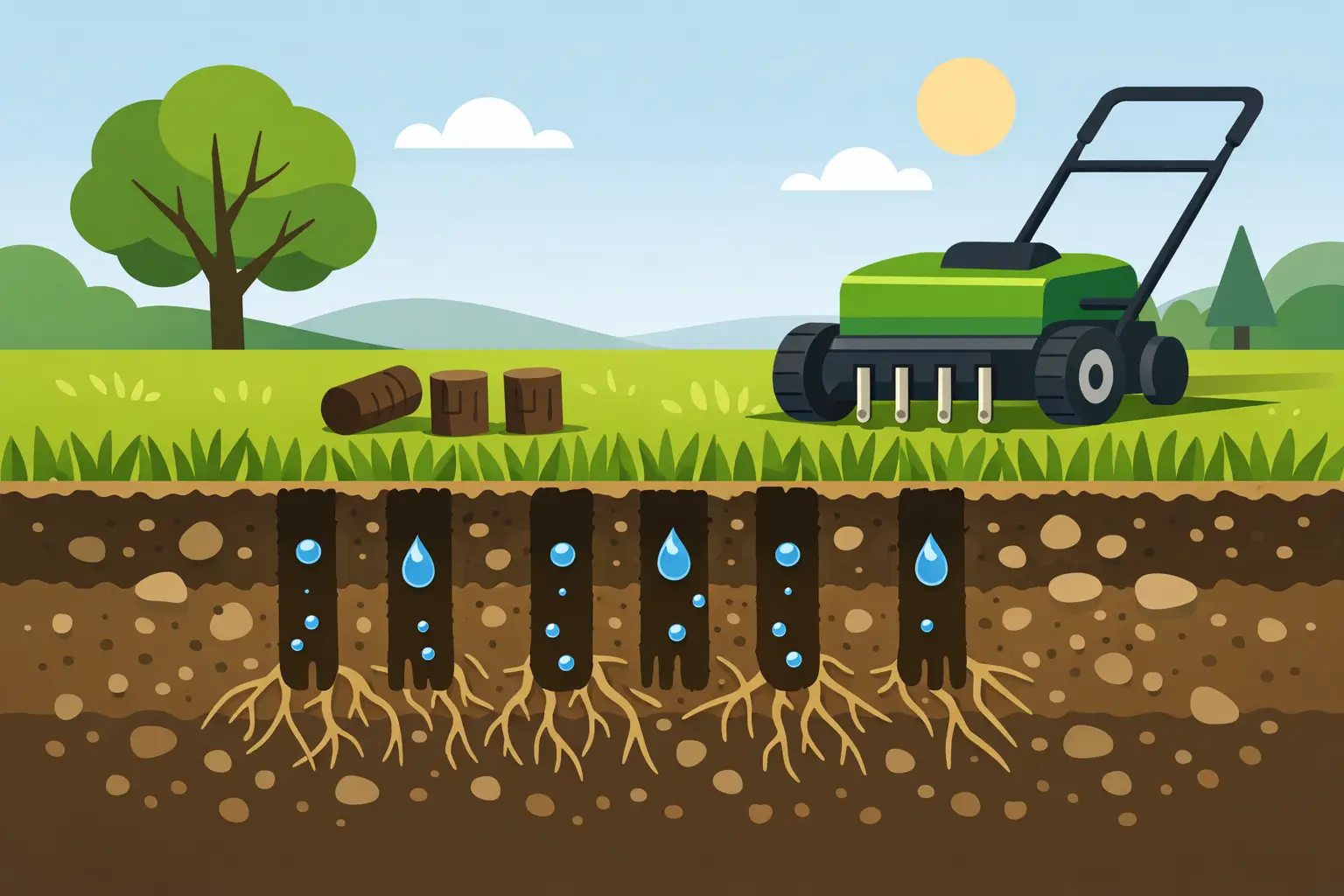
Aeration is one of those services that makes a visible difference, but not always overnight. It works by pulling small plugs of soil from the ground so water, air, and nutrients can move more easily into the root zone. If the timing is right, grass fills in stronger and healthier. If the timing is off, you can stress the lawn without getting the full benefit.
When should lawns be aerated for best results?
In Kentucky and similar transition-zone climates, most lawns do best with aeration in early fall. That timing works especially well for cool-season grasses like tall fescue and Kentucky bluegrass, which are common in residential and commercial lawns throughout this region. Early fall gives the grass active growing conditions, cooler temperatures, and enough time to recover before winter.
Spring can also work in some cases, but it is usually the second-best option. Aerating in spring may help compacted soil, especially after a wet winter, but it can also line up with weed pressure and a more stressful summer ahead. If a lawn is already thin or weak, spring aeration needs to be handled carefully.
Warm-season grasses, such as bermudagrass or zoysia, should be aerated later in spring or early summer, once they are fully growing. Those lawns recover best when the grass is actively spreading. Aerating them too early can leave the lawn slow to bounce back.
So the short version is simple: aerate when your grass is actively growing, not when it is dormant or under heavy stress.
Why timing matters more than many people realize
Aeration creates small openings across the lawn. That is exactly what compacted soil needs, but those openings also mean the grass has to heal. When the lawn is in a strong growth phase, it can recover fast and use those openings to thicken up. When the lawn is struggling with heat, drought, or dormancy, recovery takes longer and results are weaker.
That is why fall is such a reliable window for many local lawns. The soil is still warm enough for root activity, but the air is cooler and less punishing on turf. In many cases, fall aeration also pairs well with overseeding, which helps improve thin spots and overall density.
There is also a practical side to timing. Aerating right before or during a dry stretch is not ideal because the ground can be too hard for good core penetration. On the other hand, soil that is lightly moist tends to aerate cleanly and gives better results.
Signs your lawn needs aeration
You do not always need to aerate every year, but many lawns benefit from it on a regular schedule. The need usually shows up in a few common ways.
If water runs off instead of soaking in, the soil may be compacted. If the lawn feels hard when you walk across it or push a screwdriver into the ground, that is another clue. Grass that looks thin even with watering and fertilizing may also be dealing with restricted roots.
Heavy foot traffic is a major factor. Kids playing in the yard, pets using the same paths, regular mowing patterns, and commercial properties with steady activity can all compress the soil over time. New construction is another common cause. When a lawn has been installed around a recently built home or building, the soil underneath is often dense from equipment and grading work.
Thatch can play a role too, although that is a separate issue from compaction. If a lawn has a thick spongy layer between the grass and soil, aeration may help somewhat, but it is not always the full solution.
The best season for common grass types
For cool-season lawns, early fall is usually the sweet spot. September into October is often ideal because the grass is growing actively and conditions are more forgiving. This is also the best time to combine aeration with overseeding if you want thicker turf.
For warm-season lawns, late spring through early summer is better. That gives bermudagrass and zoysia the active growth they need to recover and spread after aeration.
If you are not sure what type of grass you have, that matters. A timing plan that helps one lawn can set another one back. This is one of those areas where local experience saves guesswork, especially in places where different grass types show up across neighborhoods and commercial sites.
Should you aerate in spring?
Spring aeration is not wrong. It is just more situational.
If your lawn is badly compacted and missed its fall window, spring may still be worth it. The same goes for lawns that need help after construction, drainage issues, or a long wet season. But spring aeration can create openings for weeds to take advantage of, especially if crabgrass pressure is already part of the picture.
There is another trade-off. A lawn aerated in spring may improve in the short term, but then it has to face summer heat not long after. If watering is inconsistent, that can limit how much benefit you actually get. For many homeowners and property managers, waiting for fall produces a better return.
How often should lawns be aerated?
Many lawns do well with aeration once a year, especially if the soil is clay-heavy or the property gets a lot of use. Other lawns can go every other year and still stay in good shape.
It depends on wear, soil type, drainage, and how the lawn is maintained. A healthy lawn with loose soil and lighter foot traffic may not need annual service. A front yard with constant parking pressure near the curb, or a commercial lawn that sees regular activity, may need more attention.
This is why aeration is not just about a calendar. The condition of the lawn tells the story.
What to do before and after aeration
A little preparation makes the service more effective. The lawn should be watered enough that the soil is moist but not muddy. Underground sprinkler heads, shallow lines, or invisible dog fencing should also be marked so nothing gets damaged during the process.
After aeration, leave the soil plugs on the lawn. They break down naturally and help return nutrients to the soil. Keep watering consistent, especially if the lawn has been overseeded. This is also a good time for fertilization if it fits your lawn care plan, because nutrients can move into the root zone more efficiently.
Do not expect the lawn to look perfect the same day. Aeration is more like setting the stage than flipping a switch. The improvement shows up as the grass responds over the following weeks.
Aeration and overseeding often belong together
If your lawn is thin, patchy, or worn down, aeration alone may not be enough. The holes created during aeration give seed better contact with soil, which improves germination. That makes overseeding a smart companion service, especially in fall for cool-season lawns.
This combination is often one of the best ways to rebuild turf density without starting over. It is also more cost-effective than waiting until damage gets severe enough to require major renovation.
For busy property owners, this matters. A thicker lawn does not just look better. It holds up better against weeds, traffic, and dry spells, which means fewer problems to chase later.
When should lawns be aerated if they look healthy?
Even a lawn that looks decent may benefit from aeration if the soil is compacted underneath. Appearance can be misleading, especially after a rainy stretch or a good fertilizing cycle. If roots are shallow and the ground is tight, the lawn may be one stressful season away from decline.
That said, not every healthy-looking lawn needs automatic annual aeration. The better approach is to look at performance. Is water soaking in well? Is the turf thick and resilient? Does it recover from foot traffic? If those answers are yes, you may have more flexibility.
Good lawn care is not about doing every service every year no matter what. It is about doing the right work at the right time.
For most local properties, the safest rule is this: aerate when the grass is actively growing and the soil is compacted enough to need relief. If you catch that window, your lawn has a much better chance to come back thicker, stronger, and easier to maintain through the seasons ahead.