

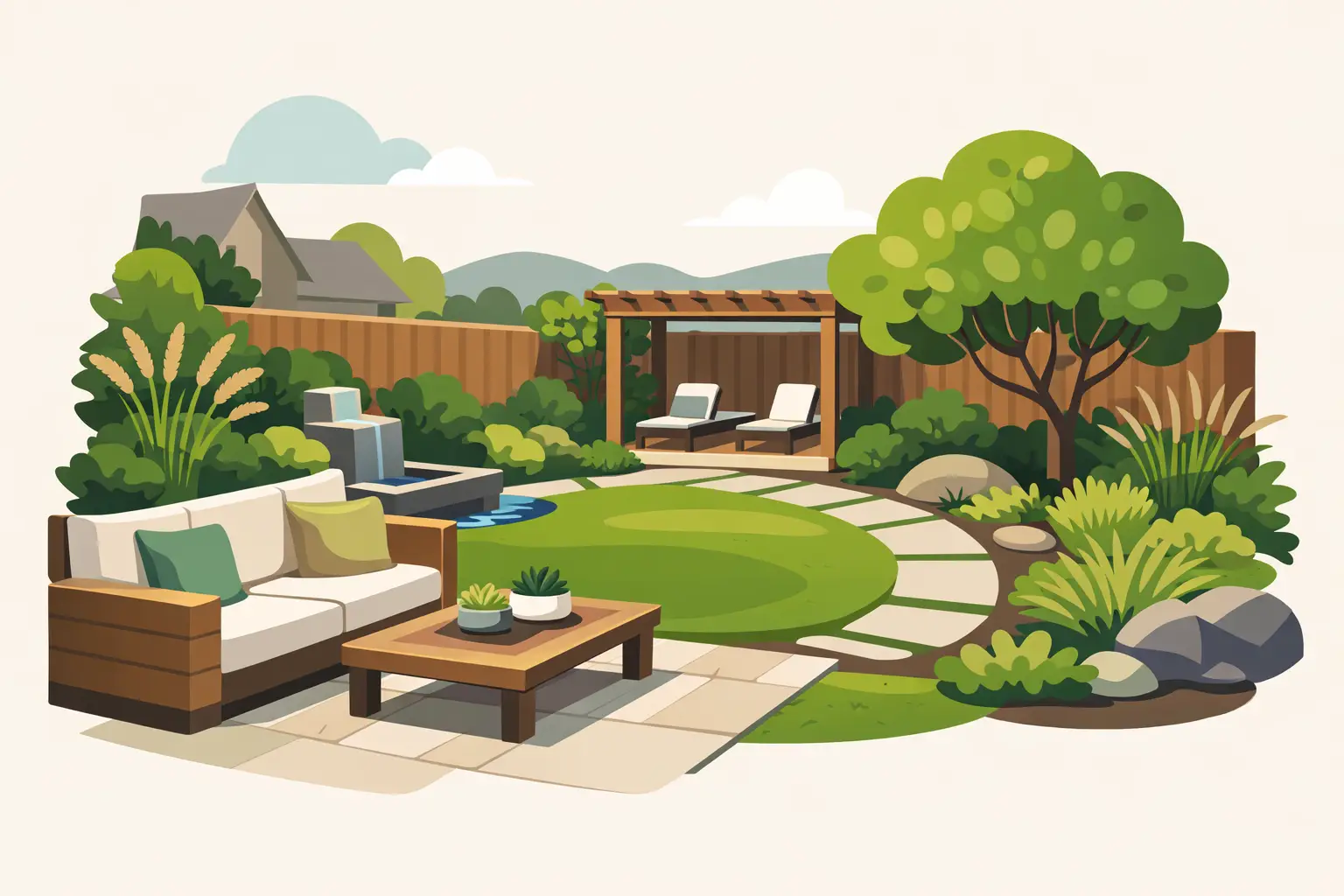
A small yard can feel cramped fast. One patio chair too many, one oversized shrub in the wrong spot, and suddenly the whole space looks tighter than it really is. The good news is that landscape design for small yards is less about having more room and more about using each square foot with purpose.
That matters whether you want a better place to relax after work, cleaner curb appeal in front of the house, or a low-maintenance outdoor area that does not turn into a weekend chore. In smaller spaces, every choice shows. The right layout, materials, and plant selection can make a yard feel open, organized, and easier to maintain.
What good landscape design for small yards gets right
The biggest mistake in a small yard is trying to fit in everything. A fire pit, a full dining set, oversized planting beds, winding walkways, and large foundation shrubs might all sound appealing on their own, but together they can make the yard feel crowded and hard to use.
Good design starts by deciding what the yard needs to do first. For one homeowner, that may be a clean, polished front yard that boosts curb appeal. For another, it may be a backyard with enough room for a grill, a few chairs, and space for the kids or dog. Commercial properties and rental homes may need something even simpler - durable plantings, clear walkways, and an attractive look that stays neat without constant attention.
When the priorities are clear, the design gets better. Instead of filling space, you shape it. That usually means keeping lines cleaner, reducing visual clutter, and choosing a few strong features instead of many competing ones.
Start with function before style
Before picking pavers or plants, look at how people actually move through the yard. Where do you walk every day? Where does water collect? Which areas get full sun, and which ones stay shaded? What looks good on paper can fail quickly if the layout ignores drainage, traffic flow, or maintenance.
In a small yard, function and appearance are tied together. A muddy corner will always look unfinished. A narrow walkway that feels awkward will make the whole space feel less inviting. If the mowing pattern is difficult because beds and edging cut the lawn into tiny pieces, maintenance becomes harder and more expensive over time.
That is why practical planning matters so much. A small yard often works best when it has one clear destination, such as a seating area or a focal planting bed, and one or two supporting features around it. You do not need a complicated design. You need a layout that feels intentional.
Create the feeling of space with layout
A common assumption is that small yards should use small everything. That is only partly true. Tiny features repeated everywhere can make the yard feel busy. In many cases, a few properly scaled elements create a more spacious result.
For example, a simple rectangular patio often works better than a curved one in a compact backyard. Clean geometry tends to feel less cluttered. The same goes for planting beds. A few defined bed lines with layered plants usually look stronger than lots of narrow, scattered beds.
Sightlines matter too. If you can see across the yard without visual obstacles at every turn, the space feels larger. That may mean avoiding tall, bulky shrubs near entrances or limiting decorative items that interrupt the view. Vertical elements can help, but they should be used carefully. A trellis, ornamental grass, or small tree can draw the eye upward, but too many tall features will box the space in.
Choose plants that fit the space now and later
Plant selection can make or break a small-yard design. One of the most common problems is installing plants based on how they look today instead of how they will grow in three or five years. That cute shrub by the walkway can become a constant pruning job. A fast-growing tree can outscale the house and crowd the entire bed.
In small spaces, plants should earn their place. Look for varieties with controlled growth habits, long seasonal interest, and low litter. Evergreen structure helps a yard look finished year-round, while flowering perennials and ornamental grasses can add color and texture without taking over.
It also helps to keep the palette disciplined. Too many plant varieties can make a small yard look patchy. Repeating a few dependable plants often creates a cleaner, more professional look. That is especially valuable for busy homeowners and property managers who want the property to stay attractive without constant tweaking.
There is a trade-off here. A plant-rich design can feel lush and welcoming, but it usually needs more maintenance. A simpler design with fewer varieties and more hardscape is easier to manage, but it may feel less soft or seasonal. The right balance depends on how much upkeep you realistically want.
Hardscaping can do a lot of the heavy lifting
In small yards, hardscaping often provides the structure that makes the entire design work. Patios, paver walkways, edging, retaining walls, and steps define spaces clearly and help the yard feel organized. They also reduce maintenance in areas where grass struggles or where traffic is heavy.
That does not mean replacing everything with concrete or pavers. Too much hard surface can make a yard feel harsh, hotter in summer, and less inviting. But when used well, hardscaping adds function that planting alone cannot provide.
A modest patio can turn an underused backyard into a usable outdoor room. A clean walkway can improve access and keep foot traffic off the lawn. A small retaining wall may solve grade issues while adding a polished edge to the landscape. These upgrades are often worth considering because they improve both appearance and day-to-day use.
Material choice matters in a small space. Busy patterns and multiple colors can feel overwhelming. Simpler pavers, natural tones, and consistent finishes usually age better and keep the overall design feeling calm.
Use lighting and irrigation to support the design
A small yard does not need a huge lighting plan, but a little landscape lighting can go a long way. It improves safety along walkways, adds warmth near patios and entries, and helps the property look cared for after dark. In front yards especially, lighting can make a modest landscape feel much more complete.
Irrigation matters too, especially when you are investing in new sod, planting beds, or decorative features. Poor watering leads to uneven growth, plant stress, and wasted money. In compact landscapes, sprinkler placement and watering zones need to be thought through carefully so one area is not getting soaked while another stays dry.
These details are easy to overlook during planning because they are not as visible as plants or pavers. But they are often what keeps the yard looking good after the project is finished.
Front yards and backyards need different strategies
Landscape design for small yards is not one-size-fits-all because front yards and backyards serve different jobs. A front yard usually needs to frame the home, improve curb appeal, and stay neat with minimal effort. Clear bed lines, balanced foundation plantings, and a strong entry path usually do more than trying to pack in lots of decorative detail.
A small backyard is more about usability. That may mean preserving enough open area for pets, carving out a private seating space, or using screening plants to reduce the view of nearby homes. In tighter neighborhoods, privacy becomes part of the design, but it needs to be handled without making the yard feel closed in. That is where layered plantings, strategic fencing, and well-placed vertical accents can help.
When professional help makes the difference
Small yards can be harder to design than large ones because there is less room for mistakes. If a patio is too big, if the bed lines are off, or if the wrong plants go in, the whole space feels it right away. That is why many homeowners find it helpful to work with a team that understands both design and long-term maintenance.
A dependable local company can help you think beyond the installation day. That includes drainage, mowing access, plant maturity, irrigation, and how the yard will look in different seasons. For property owners in places like Crestwood, Middletown, Prospect, and surrounding areas, that kind of planning can save time, reduce upkeep headaches, and produce a better result from the start.
MowAction Lawn Care Services works with clients who want more than a nice sketch. They want a yard that functions well, looks sharp, and stays manageable.
A small yard does not need big square footage to make a strong impression. It needs smart choices, a clear plan, and features that fit the way you actually live. When each element has a job and the layout feels natural, even a compact space can become one of the best parts of the property.