

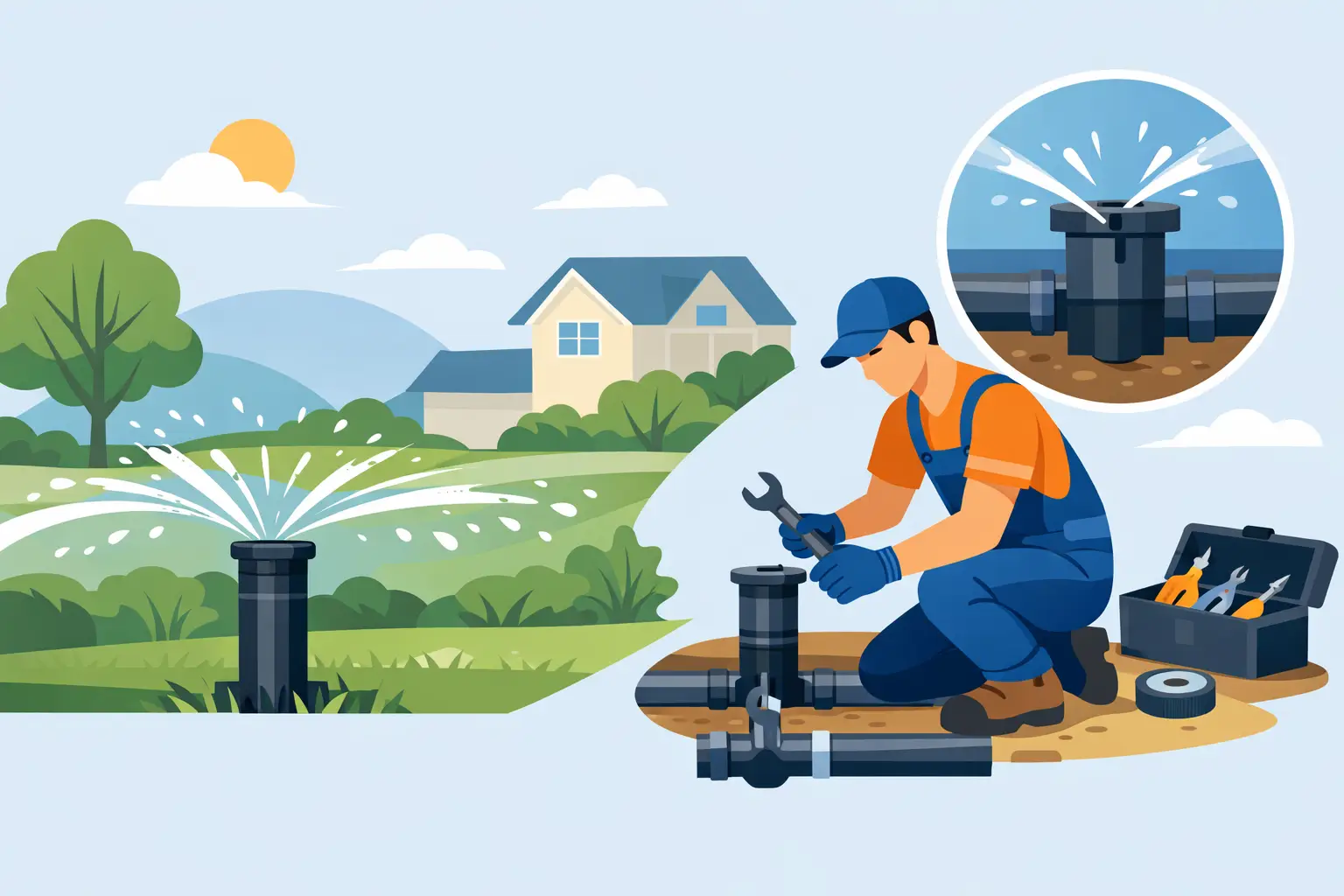
A brown patch in the middle of a healthy lawn usually does not mean the whole yard has a problem. More often, it means one zone is not watering the way it should. That is why sprinkler installation and repair matters more than many property owners realize. A good system does not just turn on and spray. It waters evenly, fits the layout of your property, protects your landscaping investment, and helps you avoid wasted water, muddy spots, and constant hand watering.
For homeowners and property managers in Kentucky, irrigation has to work with the weather, not against it. We get hot stretches, sudden rain, clay-heavy soils in some areas, and planting beds that dry out faster than the lawn around them. A sprinkler system should be built for those real conditions, not treated like a one-size-fits-all add-on.
Why sprinkler installation and repair matter
A properly designed irrigation system supports the whole property. Turf stays greener, plant beds get the right amount of moisture, and newly installed sod or landscaping has a better chance of taking root. Just as important, a good system helps control water use. When heads are placed correctly and zones are adjusted to match sun exposure, slope, and plant type, you get better coverage without running the system longer than necessary.
Repair work matters just as much as the original installation. A small leak underground can go unnoticed for weeks while driving up water bills and softening the soil. A broken head near a sidewalk can spray pavement instead of grass every morning. A valve issue can leave a zone stuck on or keep it from running at all. These are not minor annoyances if you care about curb appeal, plant health, and avoiding larger damage.
What a good sprinkler installation looks like
The best sprinkler systems start with the property itself. Yard size is only part of the equation. Sun exposure, grade changes, bed locations, turf areas, tree roots, and water pressure all affect how the system should be laid out. A front lawn that gets full afternoon sun may need a different watering schedule than a shaded side yard. Foundation beds and newly planted shrubs often need different coverage than open turf.
That is why professional sprinkler installation and repair should always begin with planning. Head spacing needs to create even coverage without overspray onto driveways or patios. Zones should be grouped logically so areas with similar watering needs run together. If the pressure is too low for the number of heads on a zone, performance suffers. If the pressure is too high, misting and waste become a problem.
Controller setup is another detail that makes a big difference. A system can be perfectly installed and still underperform if the programming does not match seasonal conditions. Spring startup schedules should not look the same as July watering. The goal is not simply to water more. It is to water correctly.
Common signs your sprinkler system needs repair
Some irrigation problems are obvious, and some are easy to miss until the lawn starts showing stress. Dry circles, soggy strips, pooling water, or a sudden spike in your water bill are all signs something is off. Heads that do not pop up fully, heads that spray in the wrong direction, uneven pressure across one zone, or a controller that is not running as programmed can also point to repair needs.
In commercial settings, these issues become even more noticeable. An office entrance with dead turf or overspray across sidewalks affects the look of the property and can create safety concerns. For homeowners, poor irrigation often shows up as patchy color, thinning grass, or flower beds that seem healthy in one corner and stressed in another.
It depends on the age of the system, too. Older systems may still function, but parts wear out over time. Seals crack, nozzles clog, wiring connections weaken, and coverage patterns stop matching the current landscaping. If trees have grown, beds have expanded, or sod has been added since the original install, the system may need updates rather than just a quick fix.
Repair or replace? It depends on the system
Not every issue calls for a full replacement. In many cases, targeted repairs are the smart move. Replacing damaged heads, fixing a valve, adjusting zone coverage, or repairing a lateral line can restore performance without major disruption. If the system layout is solid and the components are still in decent shape, repair work can extend the life of the system and protect your budget.
On the other hand, there are times when replacement makes more sense. If the system was poorly designed from the start, if multiple zones have recurring problems, or if coverage no longer matches the landscape, patching one issue after another can cost more in the long run. The right answer is not always the cheapest short-term option. It is the option that gives you dependable watering without ongoing frustration.
That is where experience matters. An honest assessment should look at the condition of the system, the current layout of the property, and the cost of repeated repairs compared to a smarter redesign.
How irrigation affects the rest of your property
Sprinklers do not work in isolation. They affect mowing, weed control, plant health, drainage, and even hardscaping over time. Too much water can encourage disease and weed growth. Too little water can leave turf thin and vulnerable during summer heat. Overspray against fences, patios, and walkways can create staining, slippery surfaces, or unnecessary wear.
When irrigation is working well, routine landscape maintenance gets easier. Lawns respond better to fertilization and aeration. New sod establishes more evenly. Garden beds hold their shape and color. The entire property looks more cared for because it is being supported consistently behind the scenes.
For busy property owners, that consistency matters. You should not have to spend your weekends dragging hoses around or guessing whether one section of the lawn got enough water. A dependable irrigation setup saves time, reduces stress, and helps protect the money already invested in your landscape.
Why local conditions matter in Kentucky
Sprinkler planning in Crestwood, Middletown, Prospect, and nearby communities should reflect local conditions. Kentucky weather can swing quickly from wet periods to dry heat, and different properties hold water differently depending on soil and slope. That means irrigation timing and design should be adjusted to the site, not copied from a generic plan.
For example, a flat lawn with mature shade trees may need a very different approach than a sunny commercial frontage or a newly landscaped backyard with mixed planting beds. Seasonal adjustments are part of keeping the system effective. Running the same schedule all year usually leads to waste in one season and stress in another.
A local team understands those patterns better because they see them across nearby properties every week. That practical experience helps when diagnosing issues, recommending repairs, and setting up systems that make sense for the area.
Choosing the right service partner
When you hire someone for sprinkler work, you want more than a quick patch. You want clear communication, dependable scheduling, and work that holds up after the crew leaves. A good provider should be able to explain what is wrong, what needs attention now, and what can wait. That kind of honesty matters whether you manage one home or several commercial properties.
It also helps to work with a company that understands the bigger picture of property care. Irrigation affects lawn performance, planting success, and the overall appearance of the landscape. When one team can see how those pieces work together, recommendations tend to be more practical and better aligned with your goals. That is one reason many local property owners turn to MowAction for outdoor services that need to be handled professionally and without hassle.
When to schedule sprinkler service
Spring is a common time to address sprinkler installation and repair, but it is not the only good time. Midseason repairs can prevent turf loss during the hottest part of summer, and fall is a smart time to fix issues that showed up during peak use. If you are planning new sod, landscape beds, or a larger property upgrade, that is also the right time to think about irrigation instead of waiting until plants are already struggling.
The longer a sprinkler problem is ignored, the more likely it is to affect other parts of the property. A small issue today can turn into wasted water, damaged turf, or avoidable replacement costs later.
If your lawn has dry spots, your beds are getting uneven coverage, or your current system just is not performing the way it should, it is worth having it looked at. The right irrigation setup should make your property easier to maintain, not harder. A healthy, attractive landscape starts with reliable watering, and getting that part right pays off every time you step outside.