

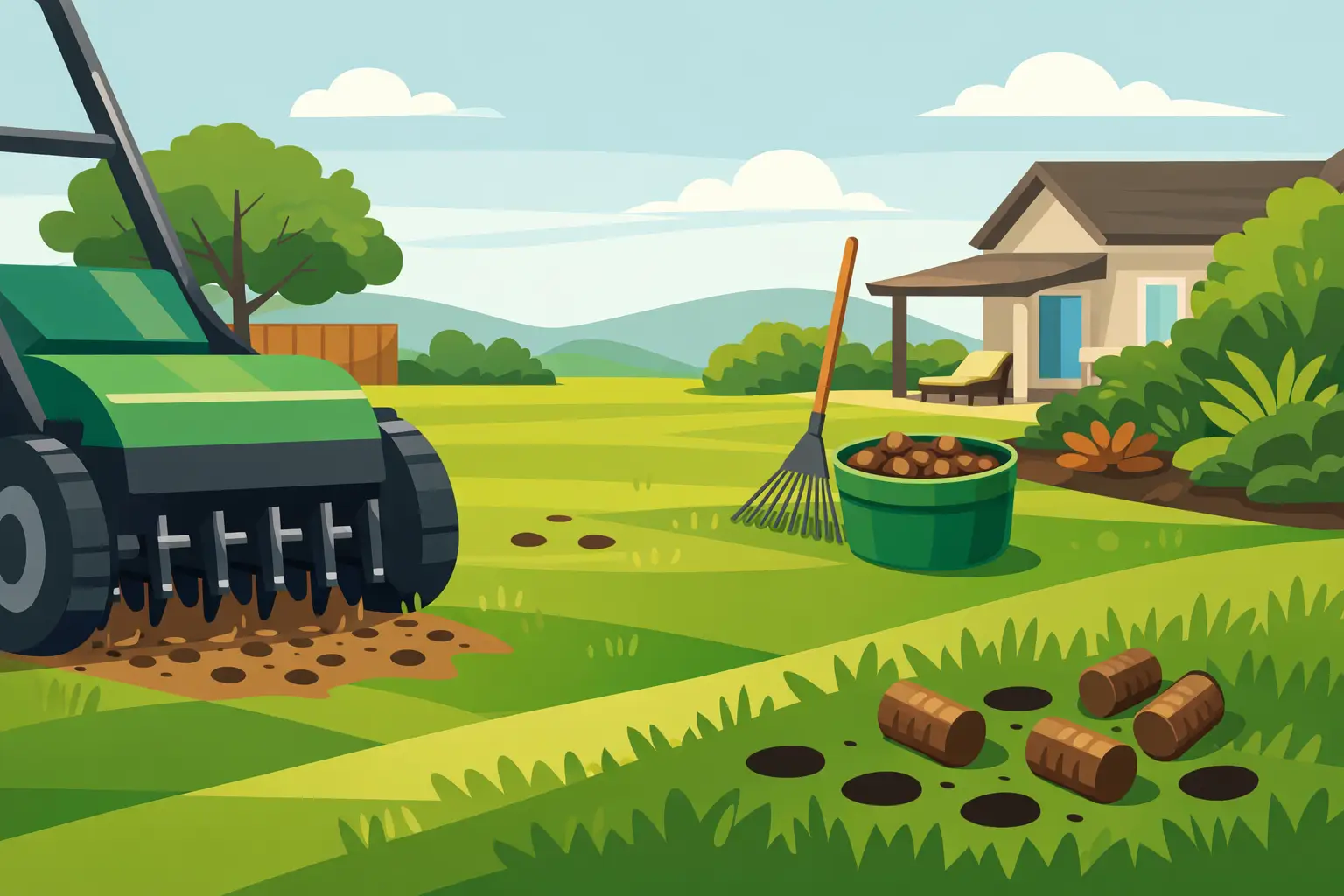
A lawn aerator works by pulling small plugs of soil from the turf, not by skimming over the surface. That means a little preparation goes a long way. Knowing how to prepare yard for aeration helps protect irrigation components, gives the equipment a clear path, and lets the treatment do what it is supposed to do: relieve compaction so air, water, and nutrients can reach the root zone.
For homeowners and property managers, most of the work takes less than an afternoon. The key is getting the lawn clean, slightly moist, and clearly marked before the crew arrives.
Why yard preparation matters before aeration
Compacted soil is common in lawns that see regular foot traffic, mowing equipment, pets, children, or heavy clay soils. When soil becomes dense, grass roots have a harder time spreading, rainfall can run off instead of soaking in, and a healthy lawn may start looking thin even with regular watering and fertilizer.
Core aeration creates openings in that compacted layer. But aerators are powerful, heavy machines. Hidden sprinkler heads, shallow utility lines, invisible pet fences, landscape lighting wires, and toys can be damaged if they are not identified ahead of time. A prepared yard also allows the technician to cover more ground efficiently instead of stopping repeatedly to clear debris or work around surprises.
How to prepare your yard for aeration
Start preparing one to two days before the scheduled service. You do not need to make the lawn look perfect, but the grass and soil should be ready for equipment to move safely across the property.
Mow the lawn, but do not scalp it
Mow your grass shortly before aeration, ideally to its normal maintained height or just slightly lower. For many cool-season Kentucky lawns, that is often around 2 to 3 inches, depending on the grass type and time of year.
A fresh mow keeps long blades from matting down over the soil plugs and makes it easier for the aerator to reach the turf surface. Avoid cutting the lawn extremely short. Scalping stresses the grass, exposes soil to drying, and can create more problems than it solves. Bag or remove heavy clippings if they are covering the lawn, especially after a period of fast growth.
Water for workable soil, not mud
Aeration works best when the soil is moderately moist. Dry, hard ground can prevent the machine from pulling deep, clean plugs. On the other hand, saturated ground can turn into ruts and mud under a heavy aerator.
If rain has been scarce, water the lawn deeply the day before service. A slow, thorough watering is more useful than a quick sprinkle. If the lawn has received a soaking rain and feels soft underfoot, skip additional watering and allow time for it to drain. The right condition is damp soil that gives slightly when pressed, not soil that squishes or holds standing water.
Clay-heavy lawns throughout Louisville, Oldham County, and Shelby County often benefit from this extra attention. Clay can become nearly concrete when dry, then easily compact or smear when overly wet. Timing the watering correctly helps the aerator remove plugs instead of simply bouncing across the surface.
Clear the lawn of obstacles and debris
Before the appointment, pick up anything that could interfere with equipment or become damaged. That includes children’s toys, hoses, sports equipment, patio furniture placed on the grass, fallen branches, decorative stakes, and loose landscape items.
Rake up heavy leaves and remove thick piles of grass clippings. A few scattered leaves are usually not a concern, but a dense layer can keep the aerator from making good contact with the soil. If you have a trampoline, portable goal, or similar item sitting in the lawn, move it if practical so the area underneath can be reached.
Do not worry about small existing soil plugs or thatch fragments. Aeration is meant to bring soil cores to the surface, and the new plugs are normally left on the lawn to break down naturally.
Mark everything that sits below the grass line
This is the most important preparation step. Mark sprinkler heads, irrigation valve boxes, shallow landscape lighting wires, drainage outlets, invisible dog fence lines, septic components, and any other feature that could be struck by aeration equipment.
Bright utility flags are easy to see and work well for sprinkler heads and valve covers. If you do not have flags, use sturdy markers that will remain visible above the grass. Tell the service crew about any buried items that cannot be clearly marked, including old irrigation lines, low-voltage wiring, or areas where you are unsure of the layout.
Public utility marking and private landscape features are not the same thing. A utility locate may identify major public lines, but it will not necessarily identify your private irrigation system, lighting wire, or pet containment cable. Those are the property owner’s responsibility to point out before work begins.
Make gates and access routes available
An aerator may need access through a side gate, driveway, or backyard entrance. Unlock gates, move vehicles if needed, and make sure there is a route wide enough for the equipment. If your property has a narrow passage, steps, steep slopes, or soft areas that should not be crossed, let the crew know before the visit.
For commercial properties, it helps to identify where equipment can be unloaded and where tenants, customers, or employees typically park. A little coordination reduces disruption and helps the work stay on schedule.
Keep pets indoors and give the crew a clear picture
Keep dogs and other pets indoors during service. Even friendly pets can become anxious around loud equipment, and open gates create an obvious risk. Check the lawn for pet toys, waste, and hidden holes as well.
It is also helpful to share any known lawn concerns before aeration begins. Mention areas that stay wet, spots with recent sod installation, thin sections, active disease concerns, or places where the ground has settled around a repair. Aeration is beneficial for many lawns, but a good service plan accounts for conditions that may require a lighter touch or a different treatment.
Choose the right time for aeration
Preparation is only half the equation. Aeration should be timed to support grass recovery. In this area, fall is often the best season for cool-season lawns such as tall fescue and Kentucky bluegrass. The weather is easing, weed pressure is generally lower than in spring, and grass has time to establish stronger roots before summer heat returns.
Spring aeration can still make sense for a compacted lawn, particularly if the yard has heavy traffic or drainage issues. The trade-off is that spring conditions can favor annual weeds, and pre-emergent weed control products may interfere with plans to overseed afterward. If seeding is part of the plan, discuss the timing of weed control with your lawn care provider.
Avoid aerating during drought stress, extreme summer heat, frozen ground, or immediately after heavy rain. A lawn that is struggling to survive is better served by correcting its moisture issue first.
What to expect after the aerator leaves
A freshly aerated lawn can look rough for a few days. You will see small soil plugs across the turf, and that is a sign the machine reached into the soil as intended. Leave those plugs in place. Rain, irrigation, mowing, and normal microbial activity will break them apart and return the soil to the lawn.
Keep the lawn consistently watered if conditions are dry, especially if you plan to overseed. Avoid heavy foot traffic for a short period while the turf recovers. If overseeding or fertilization is recommended, aeration creates an excellent opportunity because seed and nutrients can make better contact with the soil.
Do not expect every problem to disappear overnight. Aeration improves soil conditions, but thin grass may also need overseeding, proper mowing, balanced fertilization, drainage improvements, or better irrigation coverage. A recurring lawn maintenance plan can address those issues together rather than treating each symptom separately.
When professional help is worth it
A rental aerator can be an option for a small, uncomplicated yard, but it requires transportation, physical effort, and careful attention around buried features. The machines are heavy, and uneven terrain, tight access, irrigation systems, and large properties can make a do-it-yourself job more difficult than expected.
Professional service is often the better fit when you want the work completed efficiently, need help assessing soil and turf conditions, or want to pair aeration with overseeding and ongoing lawn care. MowAction Lawn Care Services can help homeowners and commercial property managers plan aeration around the condition of their lawn, seasonal timing, and any other services the property needs.
A clear lawn, properly moistened soil, and visible markers are the best welcome you can give an aeration crew. Take care of those basics, then let the lawn have a little time to respond. The payoff is often a turf that absorbs water better, grows more evenly, and looks stronger from the curb to the backyard.