

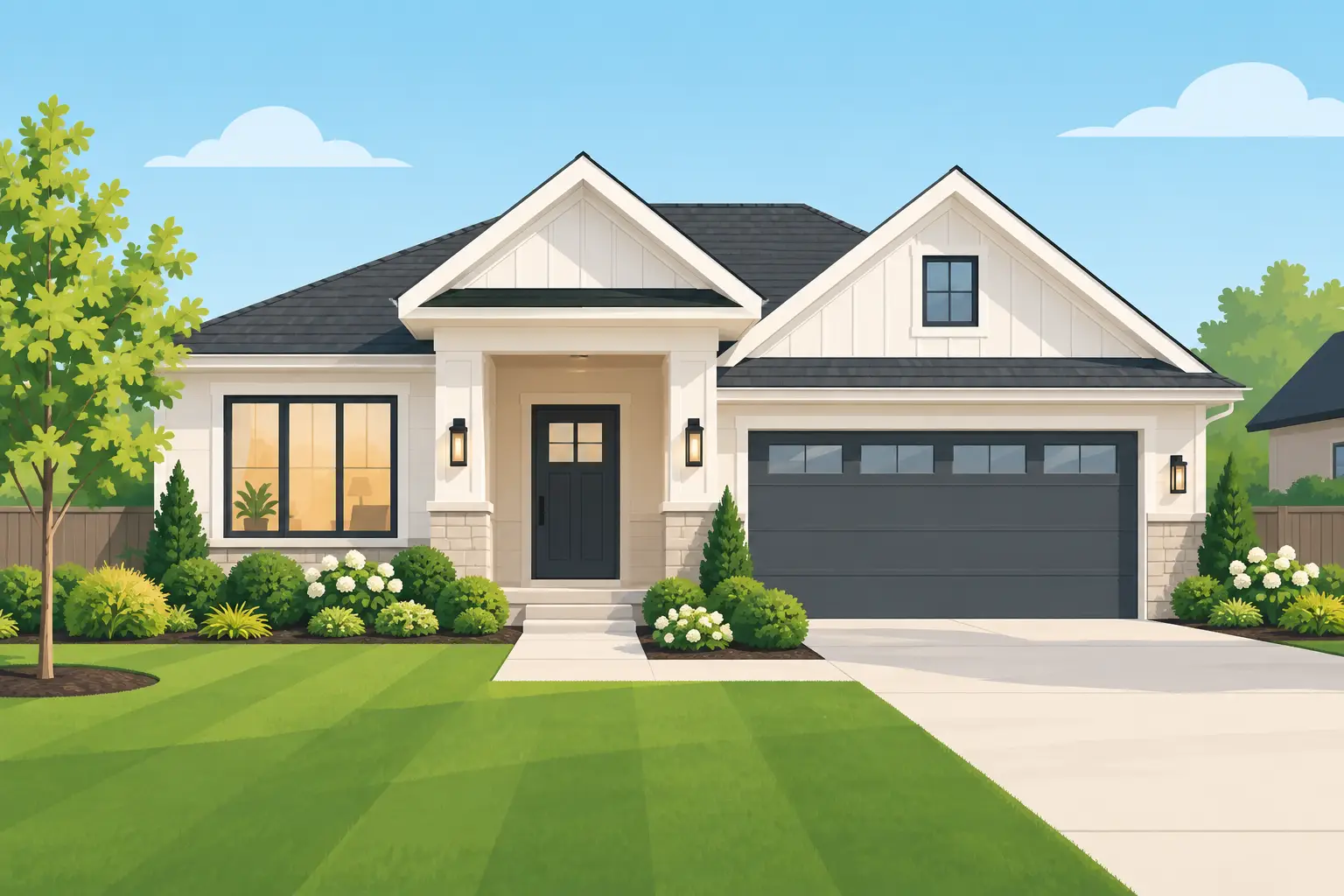
A freshly cut lawn, clean walkways, defined landscape beds, and a front entry that feels cared for can change how a property is perceived in seconds. Property curb appeal is not about creating a showpiece that takes constant attention. It is about making the outside of your home or business look orderly, welcoming, and well maintained from the street.
For homeowners, that first impression can make the property more enjoyable to come home to and more appealing when it is time to sell. For commercial properties, it tells customers, tenants, and visitors that the business takes pride in the details. The good news is that curb appeal usually improves through consistent care and a few smart upgrades, not one oversized project.
Start With the Features People Notice First
Most people see the lawn, driveway, sidewalks, front door, and landscaping before they notice anything else. That means the highest-return work often starts with basic maintenance. A lawn that is regularly mowed, edged, and cleared of clippings immediately makes the entire property feel more put together.
Overgrown shrubs can hide windows, crowd walkways, and make an otherwise attractive building look neglected. Pruning them back restores shape and visibility. The same is true for weeds in mulch beds, grass growing through pavement cracks, and leaves gathering along curbs and entryways. Small issues add up quickly when they sit in highly visible areas.
A good approach is to stand at the street and look toward the property as a visitor would. Notice where your eye lands first. Is the lawn thin or uneven? Does the front walk have debris? Are landscape beds defined, or do they blend into the grass? This simple view helps prioritize work based on impact rather than guessing.
Build Property Curb Appeal From the Ground Up
Healthy turf provides the backdrop for nearly every exterior feature. Even beautiful plantings lose some of their effect when surrounded by patchy grass, bare spots, or a lawn that has been allowed to grow too long.
Routine mowing is a major part of lawn appearance, but the details matter. Cutting grass too short can stress it, especially during Kentucky heat and dry periods. Mowing at the proper height, keeping mower blades sharp, and following a consistent schedule encourages thicker growth and a cleaner finish. Crisp edging along sidewalks, driveways, and landscape beds gives the lawn a deliberate, professional look.
If the lawn is compacted or thin, aeration and overseeding may be a better investment than cosmetic changes elsewhere. Aeration helps water, air, and nutrients reach the roots. Overseeding can improve density and color over time. Where grass has failed due to construction damage, heavy traffic, or drainage issues, sod may provide a faster path to a finished appearance.
Weed control also matters, but it works best as part of an overall plan. Treating weeds without addressing mowing, soil conditions, or bare patches can become a repeating cycle. A healthy, dense lawn gives weeds less room to establish themselves.
Make Landscape Beds Look Intentional
Landscape beds are where a property can look either polished or unfinished. The goal is not to pack every open area with plants. It is to create clean lines, balanced plantings, and enough open space for each feature to look its best.
Fresh mulch is one of the quickest ways to refresh a front yard. It improves color contrast, helps retain soil moisture, and makes plants stand out. Still, too much mulch can create problems for shrubs and trees. Keep it at a practical depth and avoid piling it against trunks or stems.
Choose plants based on how the property is used, not only how they look in a nursery. A busy commercial entrance may need durable, low-maintenance plantings that hold up through the season. A homeowner may prefer flowering color near the front porch, privacy screening along a boundary, or foundation shrubs that stay neat without frequent pruning.
When plants mature, their placement becomes just as important as their color. Avoid blocking windows, house numbers, signs, lighting, or sightlines at driveways. A landscape should frame the property, not swallow it.
Use Hardscaping to Add Structure
Walkways, paver patios, retaining walls, and defined garden borders add order to an outdoor space. They can also solve functional issues that hurt appearance, such as worn paths through the grass, sloped areas that erode, or entrances that do not provide a clear route for guests.
Hardscaping is a larger investment, so it should be planned around drainage, traffic flow, and long-term maintenance. A retaining wall can create usable space and control a slope, but poor construction can lead to water problems. A paver walkway can elevate an entry, but it needs a properly prepared base to stay level over time.
The best upgrades do more than photograph well. They make the property easier to use while supporting a cleaner, more finished look.
Do Not Let Lighting and Irrigation Become Afterthoughts
Landscape lighting extends curb appeal beyond daylight hours. A softly lit walkway improves safety, while lighting at a front entry, sign, tree, or architectural feature adds depth without making the property feel overdone. The goal is visibility and warmth, not a row of harsh fixtures competing for attention.
Irrigation has a less visible role, but it can protect the investment you have already made in turf and landscaping. Inconsistent watering often shows up as stressed grass, struggling plant material, and dry patches near the curb where conditions are toughest. A properly functioning sprinkler system helps maintain a more even appearance, especially during hot stretches.
That said, more water is not always better. Overwatering can weaken roots, encourage disease, and waste money. Seasonal adjustments and prompt repairs to broken heads or leaks keep the system working for the landscape instead of against it.
Stay Ahead of Seasonal Clutter
Curb appeal changes with the calendar. In spring, cleanups, pruning, mulch, and lawn preparation set the tone for the growing season. Summer requires regular mowing, trimming, weed control, and attention to dry conditions. Fall calls for leaf removal and bed cleanup before debris smothers turf or collects in drains.
Winter deserves attention too. A maintained property should remain accessible and presentable even when grass is dormant. Snow and ice removal are especially important for commercial sites, rental properties, and homes with frequent visitors. Clear, safe entrances protect people and prevent the property from looking abandoned during rough weather.
Seasonal service is often where a single dependable provider becomes especially valuable. Rather than coordinating separate crews for mowing, cleanup, irrigation, snow, and larger improvements, property owners can keep care more consistent with one team that understands the site.
Know When a Quick Refresh Is Enough
Not every property needs a complete redesign. If the layout already works, a focused refresh may be all that is needed: lawn recovery, shrub trimming, fresh mulch, edging, seasonal cleanup, and repaired irrigation can create a major difference.
A larger landscape plan makes more sense when there are ongoing problems. Poor drainage, unusable slopes, outdated plantings, no defined outdoor living area, or an entrance that lacks a clear focal point may call for professional design and construction. The right choice depends on the property’s condition, budget, and how long you plan to own or manage it.
For homes and businesses across Louisville, Oldham County, and Shelby County, MowAction Lawn Care Services helps turn routine exterior care into visible, dependable results. A free estimate can help separate the small fixes that will make an immediate difference from the larger projects worth planning for.
The strongest curb appeal does not come from chasing every new trend. It comes from a property that looks cared for in every season, functions well for the people who use it, and gives visitors a reason to feel confident before they ever step inside.