

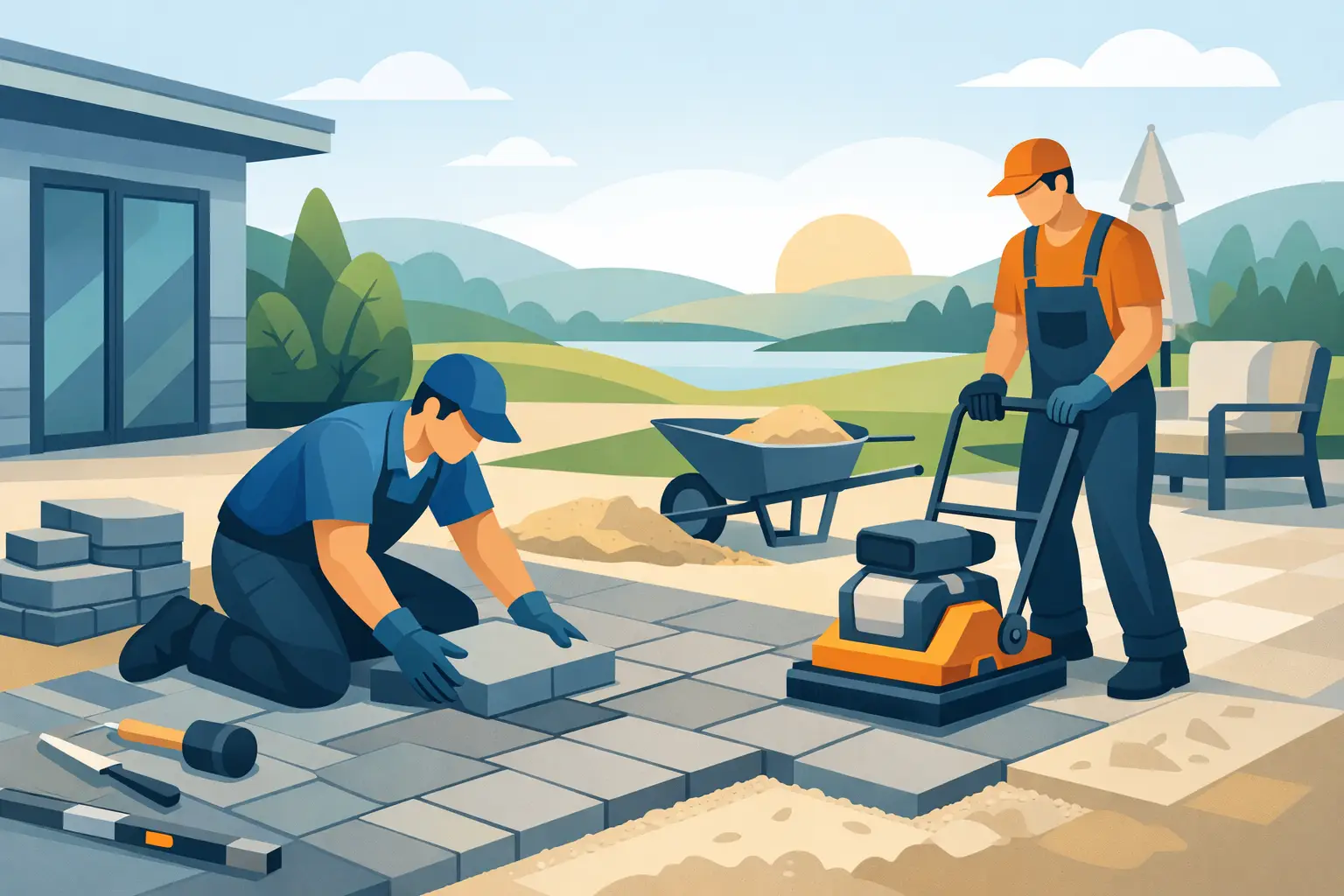
A patio that shifts after one wet season, a walkway that puddles near the front step, or a driveway that starts looking uneven too soon usually comes back to one thing - the install. Good paver installation services are not just about laying attractive stone. They are about grading, drainage, base preparation, edge restraint, and the kind of workmanship that keeps everything looking clean and performing well year after year.
For homeowners and property managers in Crestwood, Middletown, Prospect, and nearby areas, pavers are a practical upgrade because they do more than improve appearance. They define outdoor spaces, make traffic areas more usable, and hold up well when installed correctly. Whether you are planning a new patio, a front walkway, a pool surround, or a driveway extension, the quality of the installation matters just as much as the pavers you choose.
What paver installation services should include
A professional paver project starts before the first stone is set. The layout has to make sense for the way you use the space. A backyard patio should fit furniture comfortably and allow room to move around. A walkway should guide foot traffic naturally. A driveway needs a stronger base and more attention to load-bearing performance than a garden path.
That is why strong paver installation services include site evaluation, design input, excavation, base preparation, grading, installation, joint sanding, and finishing details. If any of those steps are rushed, the surface may still look good at first, but problems often show up later as settling, weed growth, poor drainage, or shifting edges.
This is where experience really shows. A contractor should know when the soil conditions call for extra preparation, when drainage needs to be redirected, and how to build for both appearance and durability. In Kentucky, where freeze-thaw cycles and seasonal rain can be tough on hardscapes, those details are not optional.
Why the base matters more than the surface
Many customers focus on color, pattern, and shape first, and that makes sense. The look of the finished patio or walkway is what you will see every day. But the hidden layers underneath do most of the heavy lifting.
A paver surface is only as reliable as the base beneath it. Proper excavation removes unstable material and creates room for compacted aggregate. That base needs to be installed in lifts and compacted carefully so it can support traffic without settling. On top of that, bedding sand helps create a level setting bed, while polymeric or joint sand helps lock the pavers in place.
There is some room for variation depending on the project. A simple garden path does not need to be built like a driveway. A patio under light residential use may require a different base depth than an area that sees heavy furniture, grills, or repeated traffic. The point is not that every project needs the same system. It is that every project needs the right system.
Choosing the right paver application for your property
Pavers work well in a wide range of spaces because they combine structure with flexibility. They can create a polished front entry, make a backyard more usable, or improve circulation around a commercial property. The right application depends on your goals.
Patios
Patios are one of the most popular hardscape upgrades because they turn open yard space into a functional outdoor living area. A well-built paver patio gives you a place for dining, relaxing, grilling, and entertaining without the maintenance concerns that come with wood decking. It can also be shaped to fit the lot instead of forcing a rigid layout onto the property.
Walkways and paths
Walkways help connect parts of the landscape and improve safety, especially in areas where grass paths turn muddy or uneven. Front walks also affect curb appeal more than many people realize. A clean, well-designed path gives the property a more finished appearance and helps guests approach the home or building comfortably.
Driveways and extensions
Paver driveways offer a high-end appearance, but they also require careful installation because of vehicle weight. This is one area where cutting corners gets expensive fast. If the base is not prepared for the load, rutting and movement can show up early. Done right, however, paver driveways and parking extensions can be both attractive and long-lasting.
Pool decks and outdoor living areas
Around pools and gathering areas, pavers are often chosen for their appearance and slip resistance. They can also be integrated with retaining walls, lighting, garden beds, and landscape design for a more complete outdoor plan. That is often the biggest advantage of working with a full-service exterior company - the hardscape does not get treated like a separate island.
Design choices that affect more than appearance
Pavers come in a wide range of colors, textures, sizes, and laying patterns. Those choices shape the final look, but they also affect maintenance, comfort, and how the space feels day to day.
Lighter colors can stay cooler in direct sun, which can be helpful on patios and pool decks. Larger format pavers create a cleaner, more modern look, while smaller units and patterned layouts often feel more traditional. Tumbled finishes can soften the look of a space, while sharper-edged pavers create a more formal appearance.
Borders and accents also matter. A simple contrasting border can define the edge of a patio and make the layout look more intentional. Curves can help a hardscape blend into planting beds, while straight lines may better match the architecture of the home or commercial building. There is no single right answer here. It depends on the property, the budget, and how much visual impact you want.
The trade-offs between pavers and other surfaces
Pavers are a strong option, but they are not the cheapest surface upfront. Compared with poured concrete, they often involve a higher installation cost because of the labor and material involved. For many property owners, that trade-off is worth it because pavers offer more design flexibility and repairs are usually easier. If one section gets damaged or settles, individual pavers can often be lifted and reset instead of replacing a large slab.
They also tend to age differently. Concrete can crack in visible ways that are hard to disguise. Pavers can shift if poorly installed, but a quality installation allows the system to flex better and be repaired more selectively when needed. That does not mean pavers are maintenance-free. Joint sand may need attention over time, and weeds can appear if the surface is neglected. Still, for many residential and commercial properties, the long-term value is appealing.
How to know you are hiring the right installer
A good-looking photo gallery is helpful, but it should not be the only thing guiding your decision. The better question is how the contractor approaches the work. Do they talk clearly about excavation depth, compaction, drainage, and edge restraint? Do they explain why one approach fits your project better than another? Are they looking at the whole property instead of just the footprint of the patio or path?
That broader view matters. A paver project interacts with the surrounding grade, nearby beds, lawn areas, irrigation, and water flow. A team that also understands landscaping and property maintenance can often spot issues early, before they become expensive corrections later.
Professionalism matters too. Clear communication, realistic timelines, dependable scheduling, and a clean job site all make a difference, especially for busy homeowners and commercial clients who do not have time to chase updates. That local, responsive service is a big reason many customers prefer working with a company that knows the area and understands the conditions common in Kentucky landscapes.
Getting the most value from paver installation services
The best results come from thinking beyond the immediate project. If you know you may want landscape lighting, retaining walls, planting updates, or irrigation work later, it helps to plan the hardscape with those future improvements in mind. Even small choices now, like patio size or walkway alignment, can make later upgrades easier and more cost-effective.
This is where a dependable local company can make the process simpler. MowAction Lawn Care Services works with property owners who want outdoor spaces that look better, function better, and hold up to real use. Whether the goal is curb appeal, outdoor living, or a more polished commercial property, the right plan and the right crew can save a lot of frustration down the road.
A well-built paver surface should feel solid underfoot, drain properly after rain, and still look like it belongs on the property years from now. That is what makes the difference between a project that merely looks finished and one that truly works.