

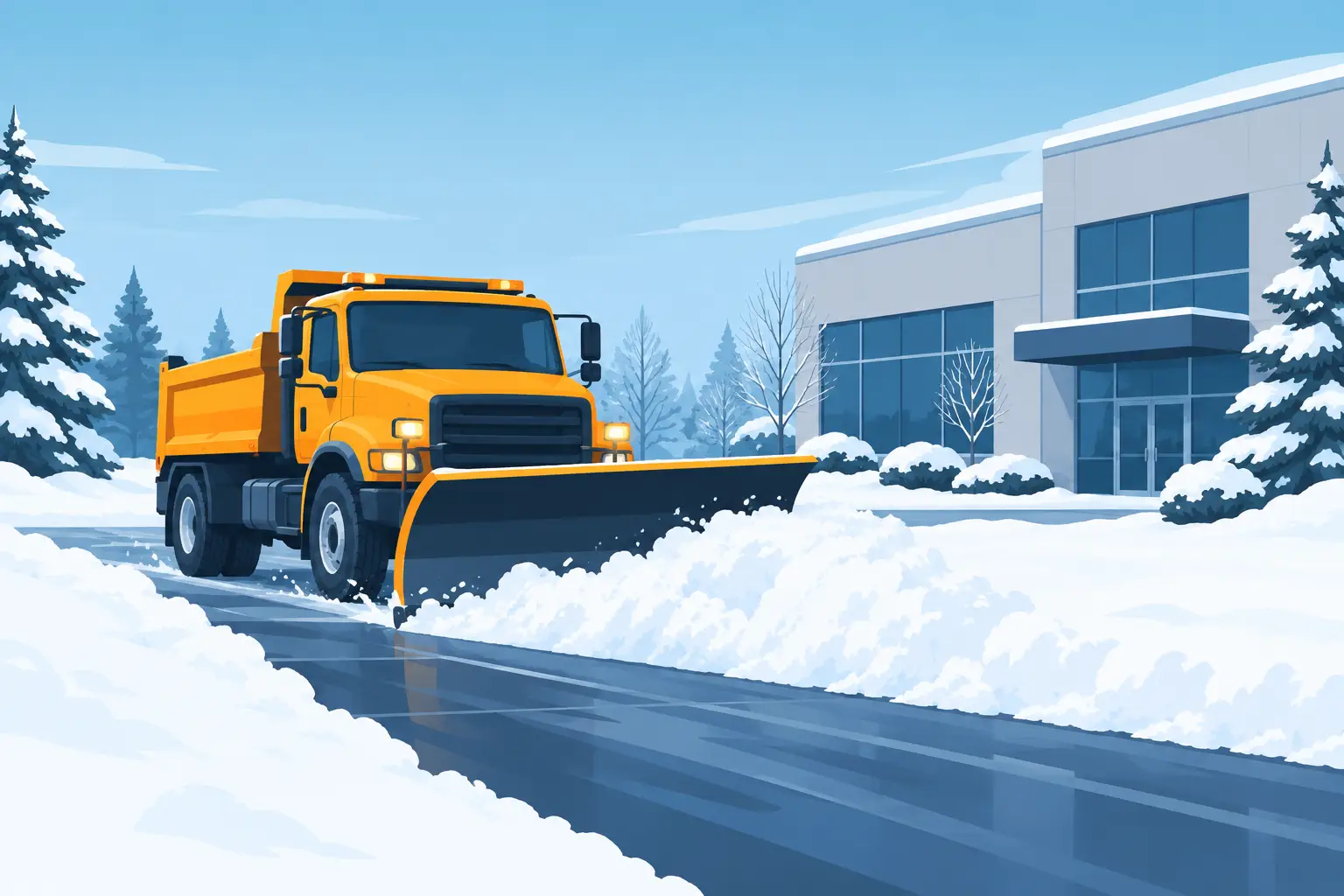
A winter storm does not have to be record-breaking to interrupt your day. A few inches of wet snow can block a driveway, hide a curb, turn a parking lot into a hazard, and make customers or family members think twice before stepping outside. Dependable snow plowing gives residential and commercial properties a faster path back to normal - with clear access, safer walking areas, and less stress when the forecast changes overnight.
For homeowners, the goal is simple: get out safely when work, school, appointments, or emergencies cannot wait. For property managers and business owners, the stakes are broader. Clear entrances, parking areas, and pedestrian routes help protect tenants, employees, visitors, and the reputation of the property. The right snow removal plan is not just about moving snow. It is about responding with care, communicating clearly, and treating your property like it matters.
Why Timely Snow Plowing Matters
Snow compacts quickly under tires and foot traffic. What begins as a manageable layer can become hard-packed snow or ice by the next morning, making removal slower and increasing the chance of slips, falls, and vehicle trouble. Prompt service reduces that buildup before it becomes a bigger problem.
Visibility matters, too. Snow can cover parking lines, curbs, fire hydrants, accessible parking spaces, drainage areas, and uneven pavement. A professionally cleared lot or driveway makes it easier for people to see where they are going and where they should park. That is especially valuable at offices, retail locations, rental communities, and other properties where people may be unfamiliar with the layout.
There is also a practical property-care reason to act early. Pushing snow repeatedly over the same area, piling it in poor locations, or waiting until it refreezes can create drainage and access issues later. A thoughtful approach considers where snow should go, how traffic flows, and what areas need attention first.
What Professional Snow Plowing Should Include
Every property has different priorities, but reliable service starts with a clear scope of work. A homeowner may need a driveway and primary walkway opened before the morning commute. A commercial site may need entrances, parking lanes, loading zones, sidewalks, and designated accessible areas addressed in a specific order.
Before the season begins, a good provider should take time to understand the property. That means identifying obstacles such as curbs, islands, landscape beds, drains, mailbox posts, utility boxes, gates, and low retaining walls. It also means discussing where snow can be piled without blocking sightlines, pedestrian access, parking spaces, or future meltwater runoff.
Snow plowing is most effective when it is paired with attention to walking surfaces. Plowing clears larger paved areas, but sidewalks, front steps, entrances, and narrow paths often need separate service. Depending on conditions, de-icing materials may be appropriate for areas that remain slick after plowing. The best choice depends on temperature, surface type, traffic level, and the presence of landscaping, pets, or sensitive concrete.
For commercial properties, documentation and communication can be just as important as the physical work. Property managers need to know who to contact, what trigger depth initiates service, whether work is completed during or after a storm, and how special requests will be handled. Clear expectations prevent frustrating surprises when winter weather arrives at an inconvenient hour.
Plowing Is Not the Same as Snow Removal
The terms are often used interchangeably, but they are not identical. Plowing pushes snow to designated areas on-site. This works well for most driveways, parking lots, and private roads when there is adequate space for snow storage.
Snow removal typically means loading and hauling snow away. That can be necessary when piles become too large, block visibility, consume parking spaces, interfere with drainage, or leave no room for the next storm. Hauling is more involved and may not be needed after every snowfall, but it can be the right solution for tight commercial sites and heavily used properties.
Choosing the Right Service for Your Property
The lowest quote is not always the best value. Winter service depends on equipment readiness, crew availability, route planning, weather monitoring, and responsive communication. A provider who cannot answer questions before a storm may be difficult to reach when conditions become urgent.
Ask how service is scheduled. Some agreements are triggered by a set accumulation, while others provide service after every event or include monitoring for icy conditions. Neither option is automatically better. A lightly used office lot may have different needs than a medical facility, a busy retail entrance, or a homeowner with a steep driveway.
It is also worth asking how your provider handles changing forecasts. Kentucky weather can shift from rain to sleet to snow and back again in a short period. Wet, heavy snow may require a different response than a dry powdery snowfall, and freezing rain often calls for added attention to traction rather than plowing alone. A team that understands those differences can make better decisions for your site.
For larger sites, look for a provider with professional-grade equipment and a plan for keeping service consistent throughout the storm. One truck may be sufficient for a small residential drive. A commercial property with multiple entrances, long sidewalks, or a high volume of visitors needs more capacity and a well-organized route.
Preparing Before the First Storm
A little preparation can help snow service go more smoothly and reduce the risk of damage. Homeowners should move vehicles from the driveway when possible, keep basketball hoops and portable items out of plow paths, and mark features that could be hidden by snow. If a gate is normally closed, make sure the access plan is clear before bad weather begins.
Property managers can help by confirming contact information, notifying tenants of parking instructions, and identifying priority areas. Delivery zones, emergency access points, main entrances, and accessible routes should be easy for the snow crew to locate. Clear signage and a brief site plan can save valuable time in the dark or during active snowfall.
Do not overlook snow placement. Piling snow near intersections, driveway exits, or lot entrances can reduce visibility. Blocking storm drains can lead to standing water when temperatures rise. Placing piles on landscape beds may be unavoidable in some spaces, but it should be considered carefully, particularly where plants, edging, and irrigation components could be affected.
A Dependable Local Partner Makes Winter Easier
Winter maintenance is easier when one responsive team understands the full property. A company that already supports lawn care, seasonal cleanup, landscaping, irrigation, and exterior maintenance can recognize site features that may be hidden during a storm. That familiarity helps crews work more carefully around hardscaping, lighting, landscape beds, and drainage areas.
MowAction Lawn Care Services provides residential and commercial snow services with the same practical mindset used for year-round property care. The focus is on dependable effort, clear communication, and service that helps customers keep their properties usable when winter weather arrives.
If you are planning ahead, do not wait for the first major forecast to ask questions. Discuss your driveway, lot, sidewalks, priority areas, and snow-storage options early. A clear plan gives everyone more confidence when the weather turns - and helps your property stay safer, more accessible, and ready for the day ahead.