

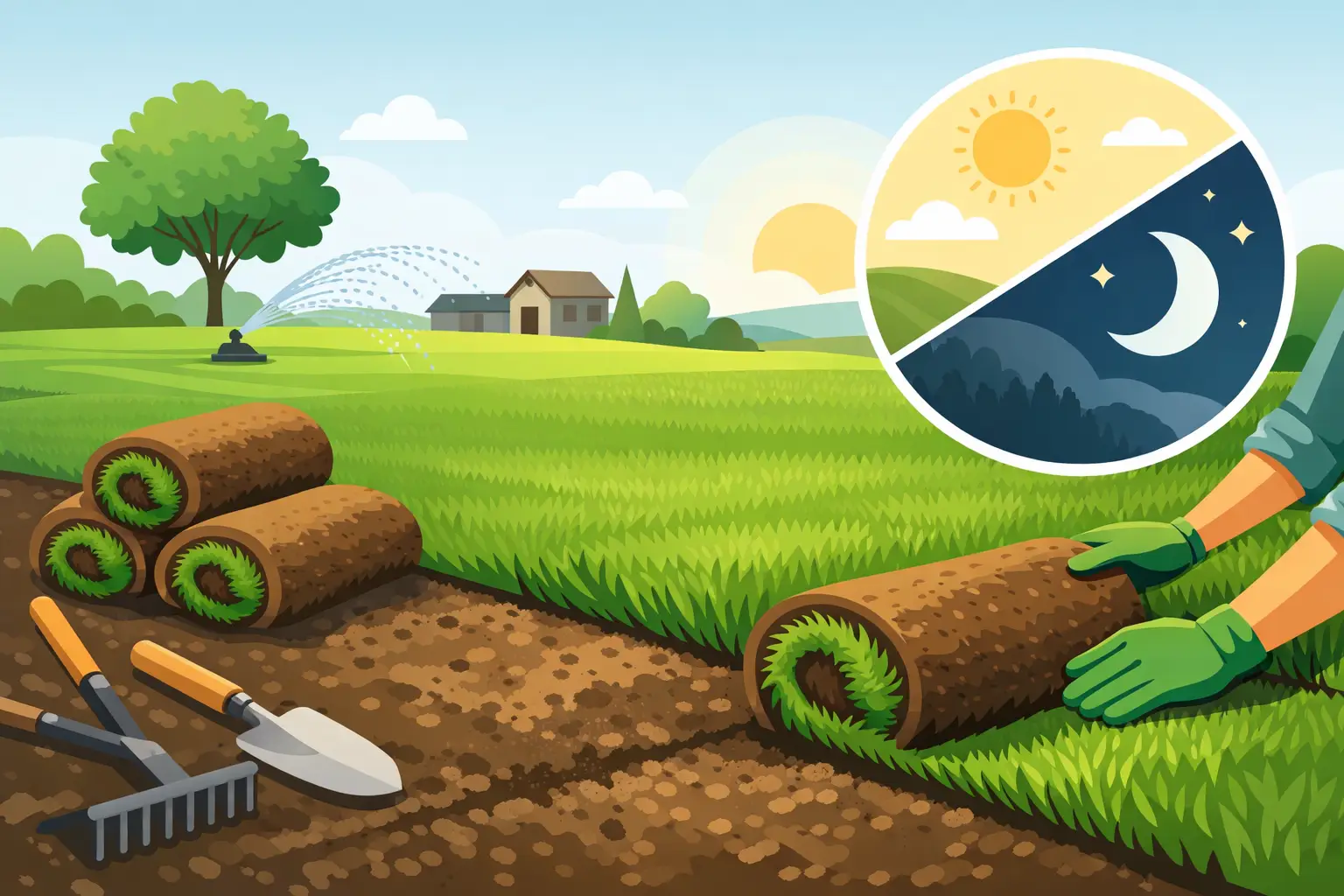
A lot of sod problems start before the first roll is even laid. If you install at the wrong time, even good sod can struggle, roots can stall out, and your watering bill can climb fast. If you are wondering when to install new sod, the short answer is this: aim for the part of the year when temperatures are moderate, the soil is workable, and the grass has time to root before extreme heat or hard freezes arrive.
For most properties in Kentucky, that usually means spring or early fall. Those seasons give new sod the best chance to establish without fighting the toughest weather of the year. That said, the right answer depends on your grass type, your irrigation setup, and how much stress the lawn will face right after installation.
When to install new sod in Kentucky
In this region, early fall is often the sweet spot. Warm soil helps roots start growing quickly, while cooler air takes pressure off the grass blades. You also tend to get fewer brutally hot days than in midsummer, which means less shock and less constant watering.
Spring is also a solid window, especially if your lawn was damaged over winter or you are trying to improve curb appeal before heavy outdoor use begins. The trade-off is that spring weather can be inconsistent. A wet stretch can delay prep work, and a fast jump into summer heat can make young sod work harder than you want.
If you have a choice, many professionals prefer fall because the sod can settle in during milder conditions. By the time next years heat arrives, the root system is usually in much better shape.
The best seasons for sod installation
Early fall
Early fall gives you one of the best combinations for new sod: warm ground, cooler days, and more stable moisture conditions. The sod is not trying to survive extreme heat, and the soil is still active enough to support root growth.
This is especially helpful for busy homeowners and property managers who want results without babysitting the lawn every hour. You still need to water correctly, but the margin for error is usually better than it is in July or August.
Spring
Spring is a close second. It works well when temperatures are rising but not yet hot, and it is a popular time to refresh lawns before listing a home, opening a commercial property to heavier traffic, or cleaning up winter damage.
The challenge is timing. Install too early and cold soil can slow rooting. Install too late and the lawn may head straight into summer stress before it is ready. If you are planning spring sod, it helps to move quickly once conditions are right.
Summer
Summer sod installation is possible, but it comes with more risk. Heat puts immediate stress on the grass, and the sod can dry out fast if watering is uneven. This does not mean it should never be done. Sometimes a project timeline, erosion issue, or property deadline means waiting is not practical.
When summer is the only option, preparation and follow-through matter more than ever. You need reliable irrigation, close monitoring, and realistic expectations. The lawn can still establish, but it usually requires more attention and less room for mistakes.
Winter
Winter is generally the toughest time to install sod, especially when the ground is cold or frozen. Root development slows down, and you are more dependent on weather patterns you cannot control. In milder periods, installation may still happen, but it is rarely the preferred choice for strong, predictable establishment.
Grass type changes the answer
Not every lawn follows the same calendar. One of the biggest factors in deciding when to install new sod is whether you are using cool-season or warm-season grass.
In Kentucky, many lawns rely on cool-season grasses such as tall fescue or Kentucky bluegrass blends. These grasses usually perform best when installed in fall or spring because they prefer moderate temperatures.
Warm-season grasses, such as bermuda or zoysia, have a different rhythm. They actively grow during warmer weather, so late spring into early summer can make more sense for those lawns. If a property owner installs warm-season sod too early, rooting may be slower because the grass is not fully in its growth cycle yet.
That is why sod timing is never just about the month on the calendar. It has to match the grass you are putting down.
Signs the timing is right
You do not need perfect conditions, but you do want favorable ones. Good sod timing usually means daytime temperatures are moderate, nighttime temperatures are not swinging too wildly, and the soil can be graded and prepared without turning into mud or concrete.
You also want enough time ahead of major stress. If a heat wave is coming, if the first hard freeze is close, or if a commercial property is about to see heavy foot traffic, that should factor into the schedule. Sod needs a short protected window to knit into the soil.
A practical way to think about it is this: install when the lawn has time to root before it has to fight something major.
Why timing matters so much
New sod lives in a vulnerable in-between stage. It looks finished right away, but underneath, it has not truly connected to your soil yet. Until roots push down, the lawn depends heavily on careful watering and mild conditions.
When timing is good, roots establish faster, the grass holds color better, and long-term performance improves. When timing is poor, you may see shrinking seams, dry edges, soft spots, disease pressure, or sections that never fully take.
Timing also affects cost in a less obvious way. A lawn installed in the right season often needs fewer corrective visits, less emergency watering, and less replacement work. That is good for the property and good for the budget.
Situations where you might install sooner anyway
Sometimes the best season is not the most practical season. If a yard has severe erosion, a construction project just wrapped up, or a home is going on the market, waiting for ideal conditions may not be realistic.
That does not mean the job should be delayed automatically. It means the plan should be adjusted. The soil prep needs to be right. The watering schedule needs to be clear. Traffic may need to stay off the area longer. In some cases, extra support such as sprinkler adjustments or follow-up lawn care makes the difference between sod that survives and sod that actually thrives.
This is where working with an experienced local crew helps. Conditions on paper and conditions on your property are not always the same.
Preparing for sod at the right time
Even if you pick the perfect season, poor prep can still ruin the result. The old lawn, weeds, debris, and compacted soil need to be addressed before installation. Grading matters too, especially if drainage has been part of the problem.
If the ground is uneven or the irrigation is missing spots, the sod may struggle no matter when it goes down. Timing gives you an advantage, but preparation is what lets you use that advantage.
After installation, the first few weeks are where discipline counts. Consistent watering, limited foot traffic, and proper mowing timing all help the roots lock in. A lawn that looks good on day one still needs careful attention to look good a month later.
So, when should you move forward?
If you have a cool-season lawn, early fall is usually your best opportunity, with spring as another strong option. If you have warm-season sod, aim for the period when that grass is actively growing. If summer or winter is your only window, go in with a more careful plan and expect the lawn to need extra support.
For many homeowners and property managers, the best answer is not just a season. It is the first available stretch of favorable weather when the site can be properly prepared and the new lawn can be cared for correctly afterward.
A good sod installation should make your property easier to maintain, not harder. If you time it well, give it a solid foundation, and stay on top of the early care, you give that lawn the kind of start that pays off long after installation day.